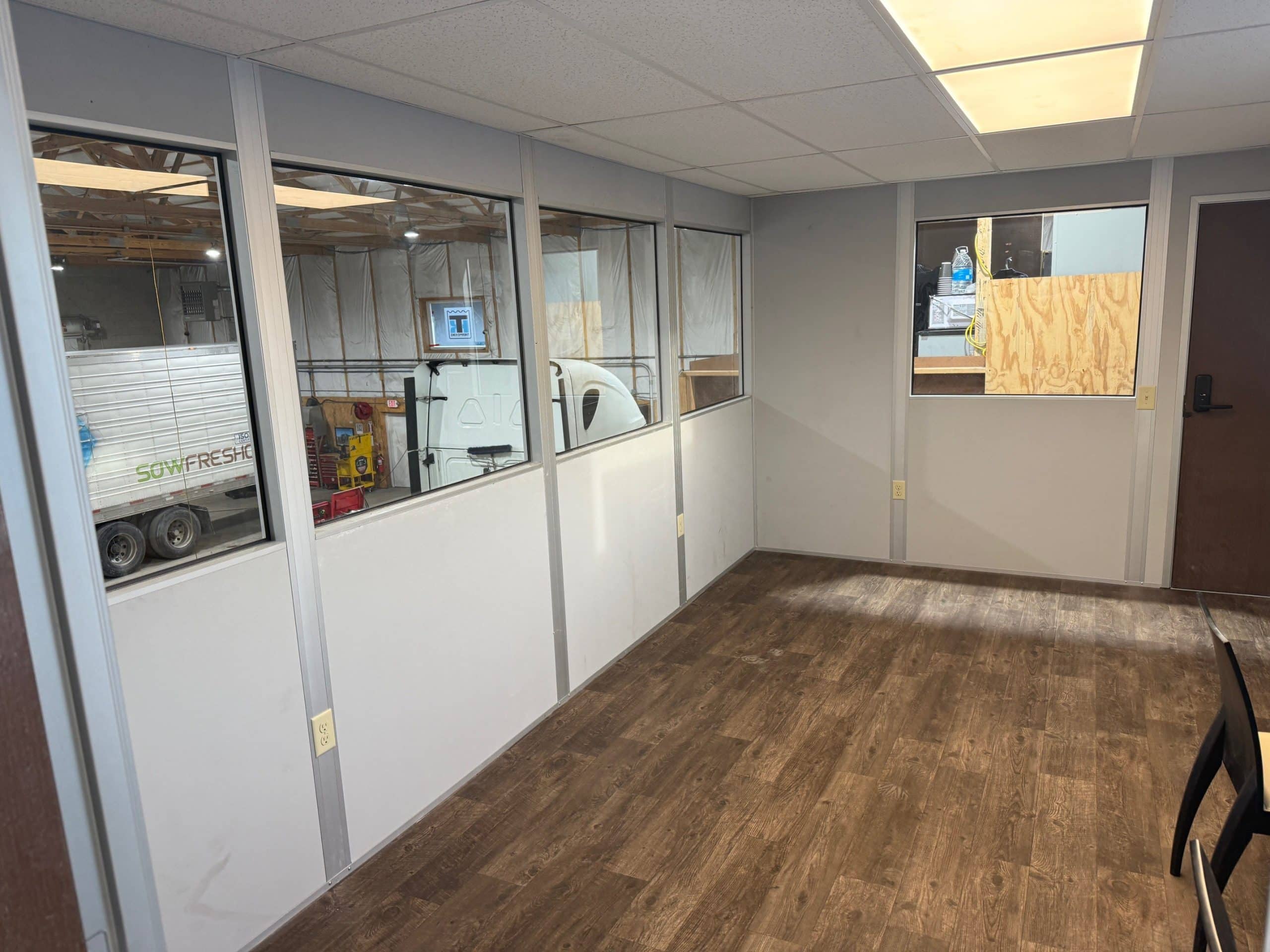
If you’re looking for examples of modular construction, then you’re probably trying to imagine what they look like in the real world. The first thing that comes to mind for most is modular homes, and not without good reason, as they have become trendy in the last few years. But they are far from the only application. In fact, many businesses are now using modular construction for offices, guardhouses, warehouse partitions, and even for complex spaces like cleanrooms. In this article, we cover some of the most common ways that businesses use modular buildings, why these same businesses choose modular over traditional construction, and more.
Modular Office Buildings

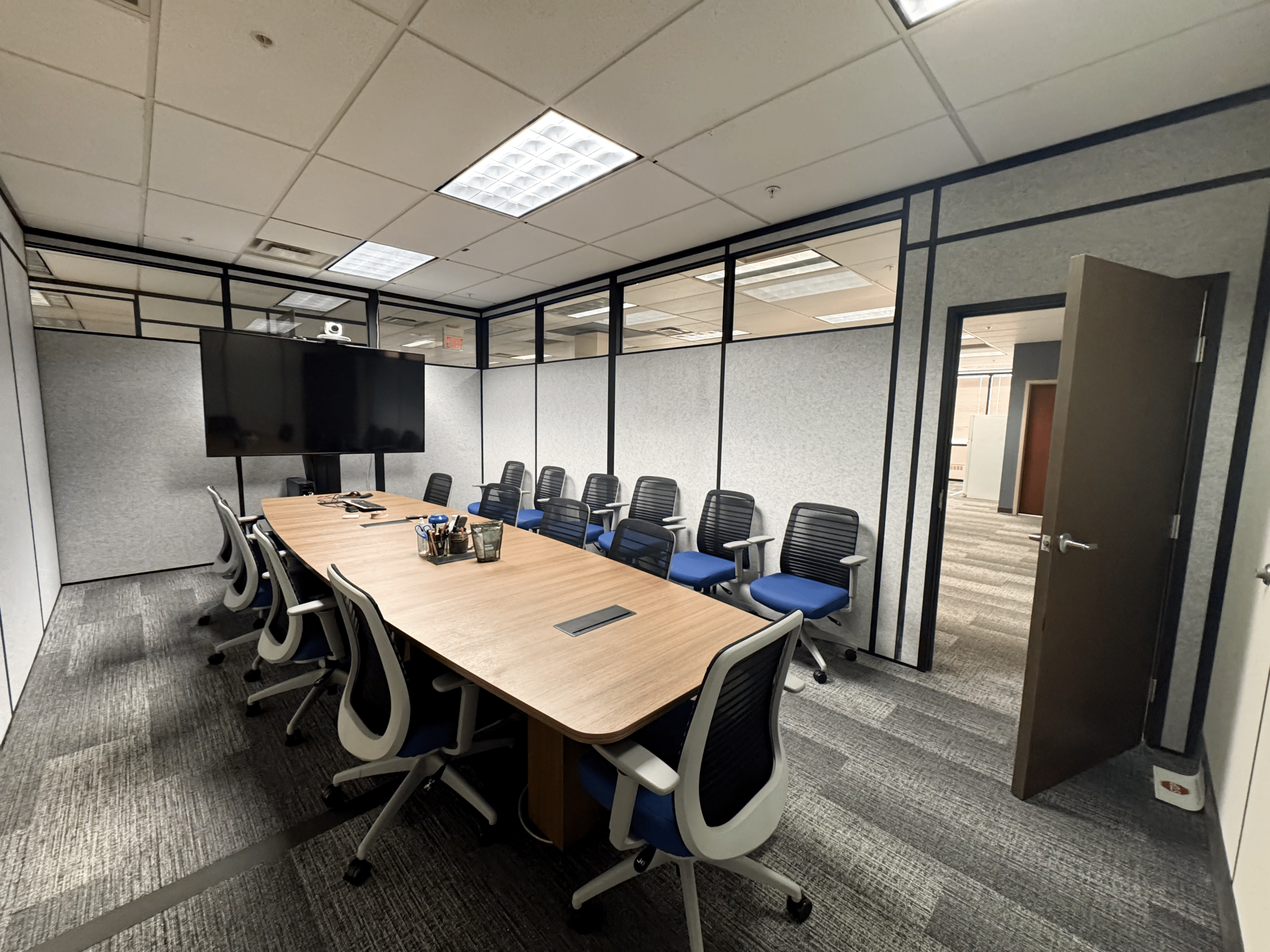
Modular office buildings are perhaps the most common example of modular construction. In fact, these are so widespread that you may have been in one already without even knowing it.
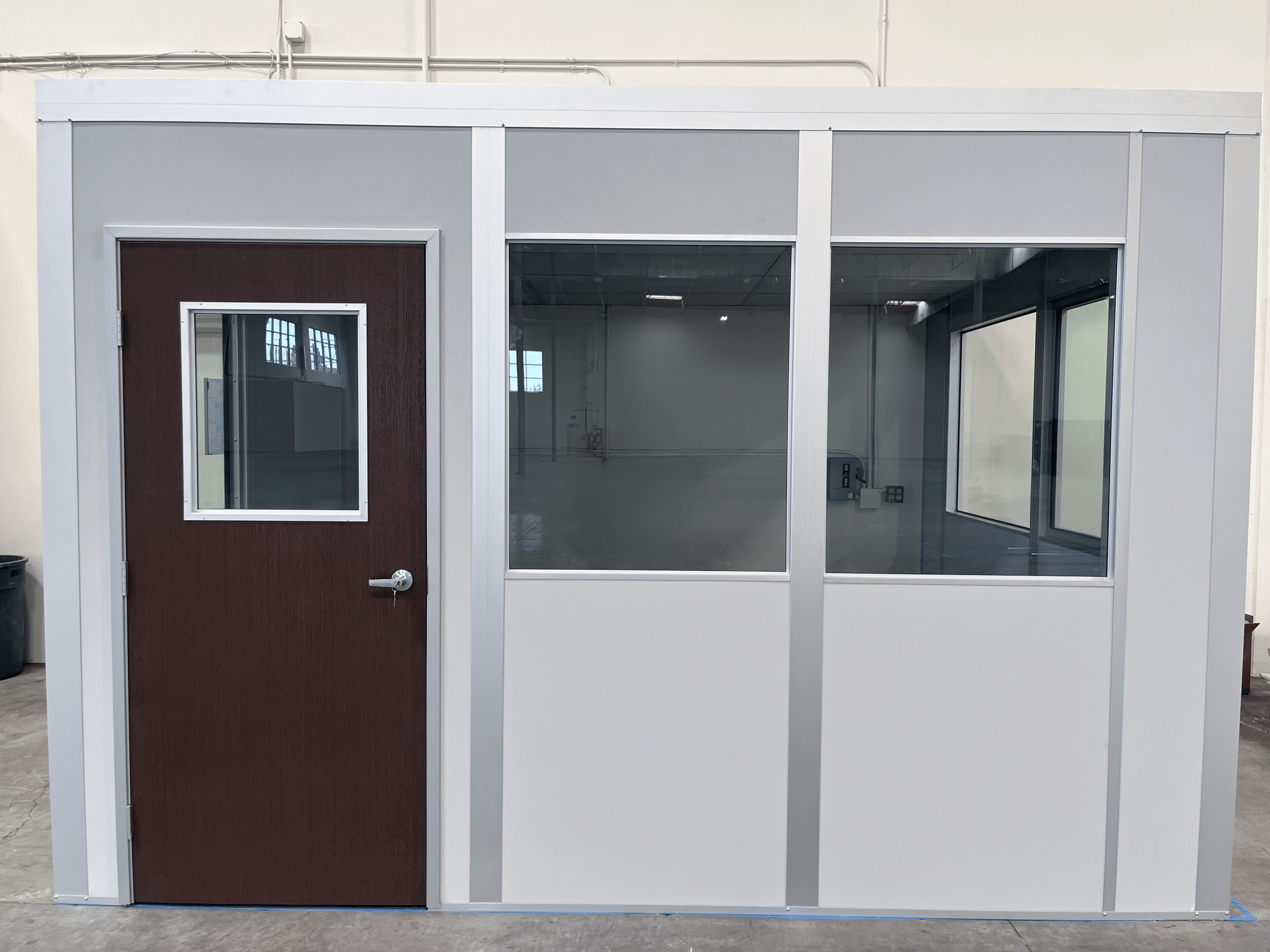
Businesses choose modular offices because they are a fast and convenient way to build office space. Let’s say you have a large warehouse, but don’t want to house your administrative employees in another building because that would be expensive, or because it would reduce collaboration between your teams.
Modular offices give you the option to build a workplace at low costs. They are especially useful if you may need to expand your offices later or even move sites (as modular offices can be disassembled and reassembled elsewhere).
They aren’t limited to places like warehouses, either. They can be used on construction sites, factories, government buildings, and even within traditional office buildings as partitions.
There’s a common perception about modular offices that they look plain or cheap. And admittedly, they often do look like this, particularly because businesses often plan to use them temporarily. But they don’t have to be, and this is usually a choice.
In truth, you can use them for decades, and can have them customized with your own branding, color palette, and more. Many are so clean and professional that you don’t even realize you’re in a modular space.
Modular Guardhouses

Though modular buildings are often used indoors, they can also be made to sit outside, especially when used for security needs. With modular guardhouses you can create checkpoints or control who comes in and out of your space. These are often used at military bases, large warehouses, industrial areas, or anywhere that benefits from a visible security presence.
Just like modular offices, modular guardhouses can be customized in a variety of ways. For one, they can have windows on all sides, HVAC systems, connections for cameras and radios, and much more. Some even have bullet-resistant glass, insulation, and ADA-compliant access.
Modular Cleanrooms
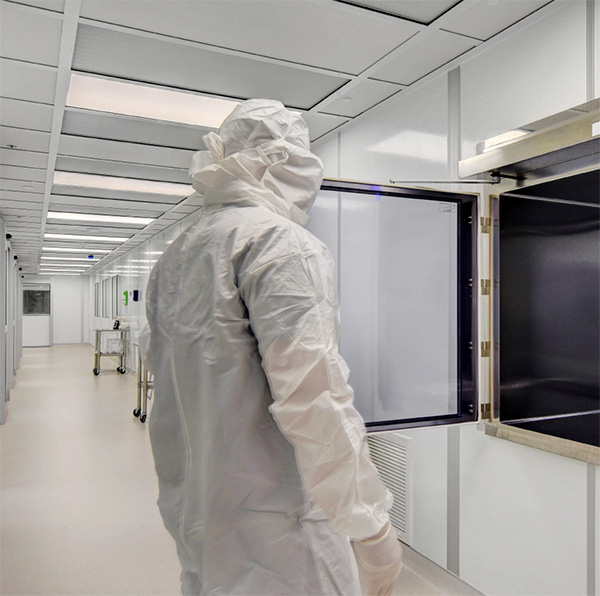
A common myth about modular construction is that it is low quality. However, this cannot possibly be true, given the use of modular cleanrooms. Modular technology has come a long way, and now it is used in the most advanced scientific and manufacturing contexts.
One of the main reasons that manufacturers choose to use modular cleanrooms, as opposed to traditional ones, is that they can meet the same regulations at lower costs and with more flexibility. As a result, industries like biotech, pharmaceuticals, electronics, and aerospace all use modular cleanrooms for things like research, production, and testing.
Modular Partitions
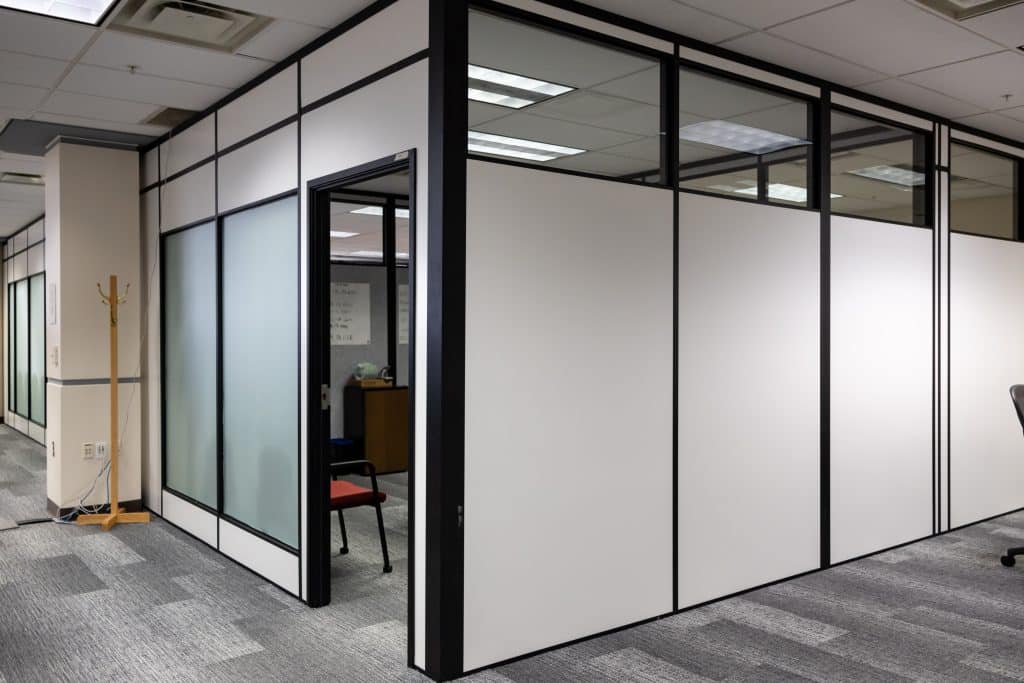
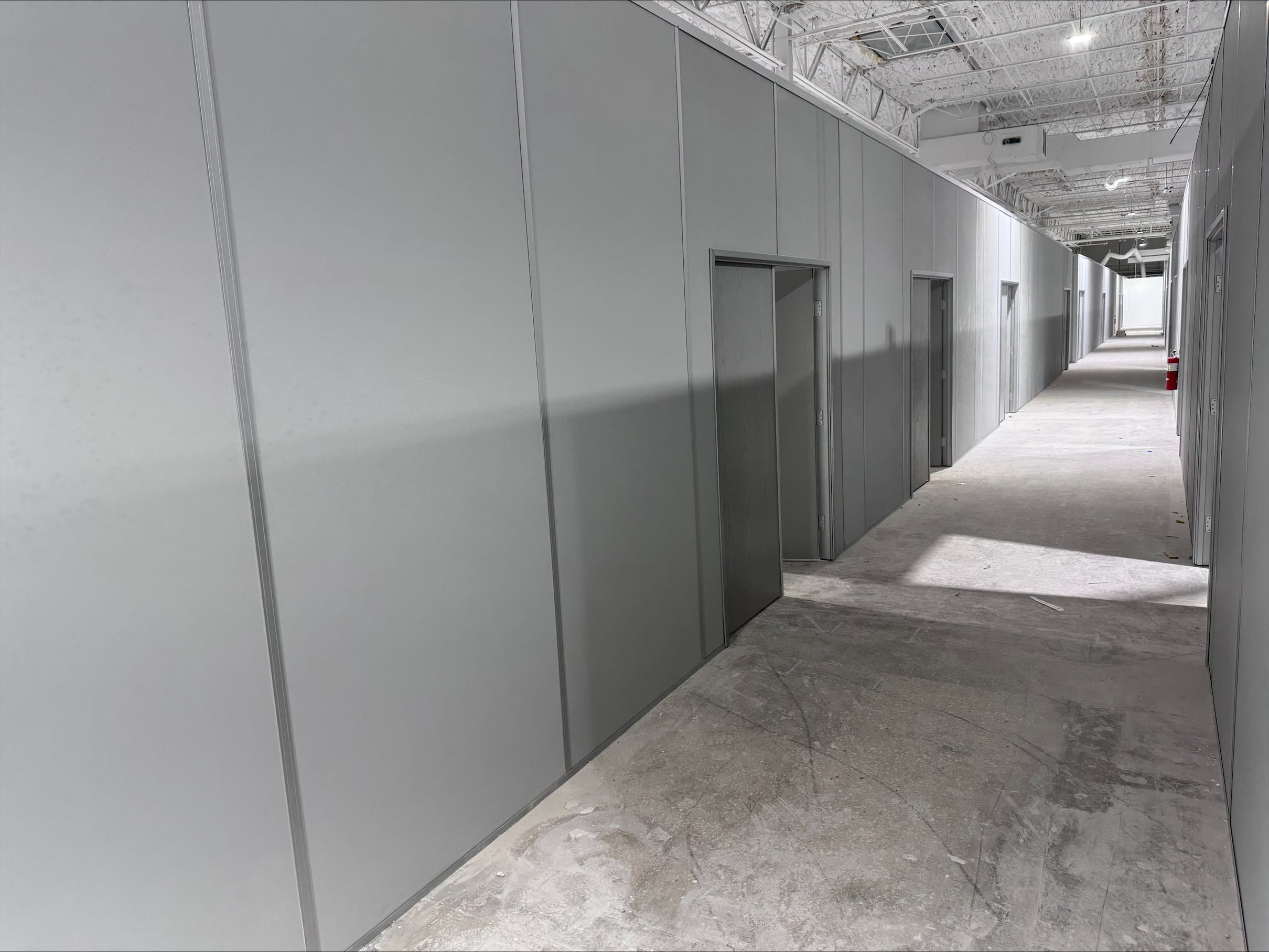
Another common use of modular construction is partitions. Many businesses don’t need brand new office space, but just want a better way to divide what they already have. Modular partitions make it easy to section off open areas into smaller spaces without having to build permanent walls.
The benefits come mostly from the speed and ease of delivery. These spaces can be set up very quickly, often within a matter of days, without a business needing to stop their normal operations.
With traditional construction, this would be impossible, as everyone is familiar with the noise and mess of ongoing construction (without even mentioning its effects on concentration and focus).
Modular partitions can be used in traditional office buildings, warehouses, factories, and just about every indoor space you can imagine. What’s more, these dividers can include doors, windows, and even soundproofing if you need.
Why Businesses Choose Modular Buildings

As you might’ve put together already, modular construction allows you to solve space issues quickly. Instead of waiting months or years for traditional construction, modular buildings can be done within days. This doesn’t mean they are temporary, however. In fact, these buildings can last for three decades or more, especially if they’re well taken care of.
What’s more, they arrive “turnkey,” or ready to use with lighting, wiring, and HVAC already in place. In addition to many customization options available, including interior and exterior choices, this is hard to beat.
Flexibility is another benefit, and perhaps its most underrated aspect. If you need to change your warehouse, expand your building, or readjust your layout, it can be accomplished with a small team. This not only keeps your options open but also makes the product reusable, which saves on costs while also helping the environment.
Speaking of costs, labor is far cheaper and less material is wasted, as most of the work is done within the factory. The outcome is often less expensive and more predictable, which is great if you need to stick to a budget.
Modular construction isn’t bound to one type of building or industry. From offices and guardhouses to cleanrooms and partitions, there are many examples. It remains a fast, low cost, and flexible alternative to traditional construction.
Interested in adding a modular building to your location? Reach out to the experts at Allied Modular to get a quote on new structures.
FAQs About Modular Construction
1. Do you need permits for modular buildings?
Yes, in most cases, you will still need a permit, as you would for any other building. However, in some cases, you may not. It depends on your local jurisdiction and the type of modular building you’re getting.
2. How do modular buildings hold up over time?
When taken care of, modular buildings can last 30 years or more. They can be made from tough materials that last a long time. What’s more, if a panel is damaged, it can easily be removed and replaced.
3. How long does it take to install a modular building?
Most modular buildings can be installed in just a few days. Of course, if the building is very large or complex, it may take a couple of weeks, but by and large modular construction is significantly faster than traditional construction.