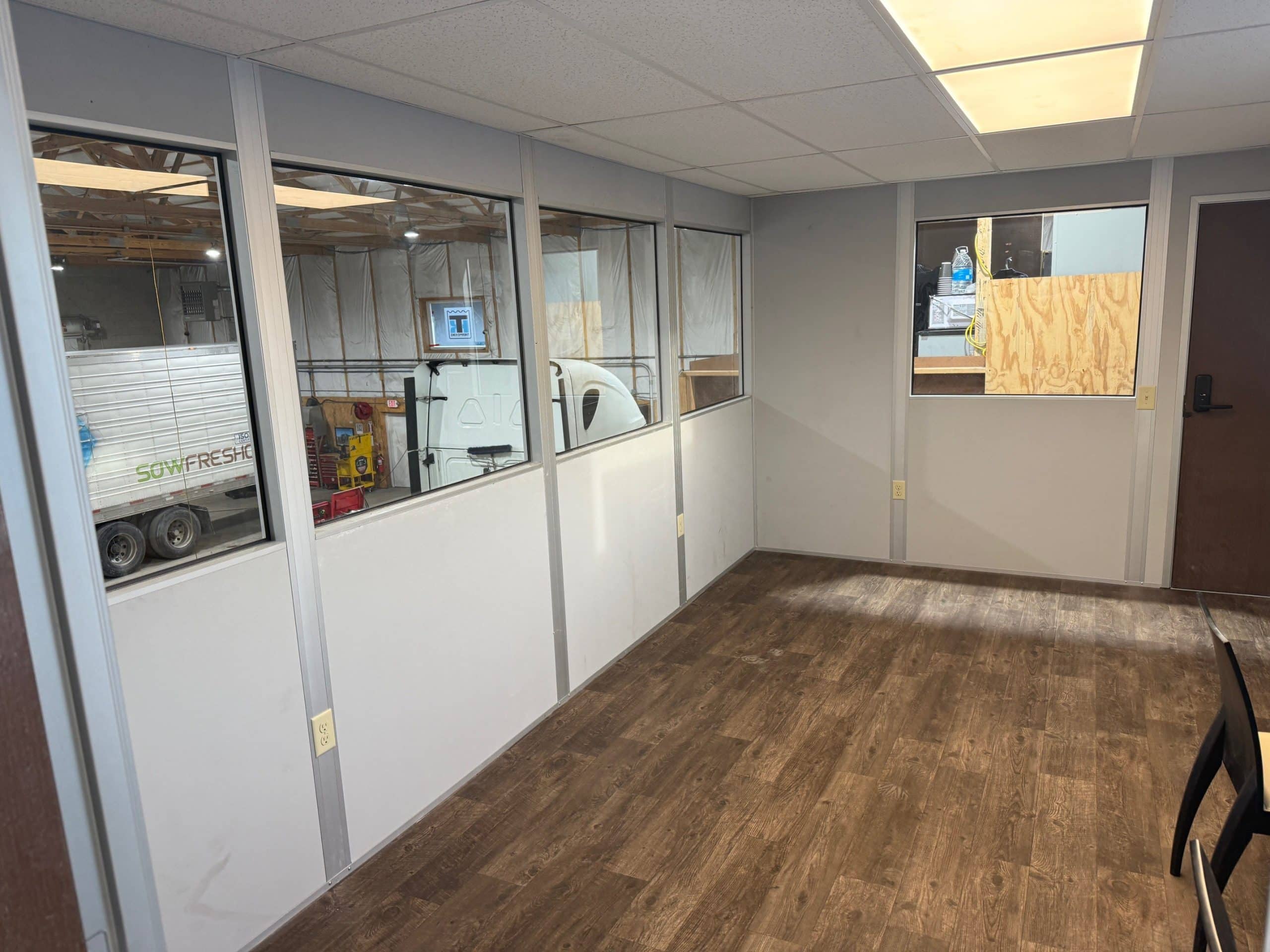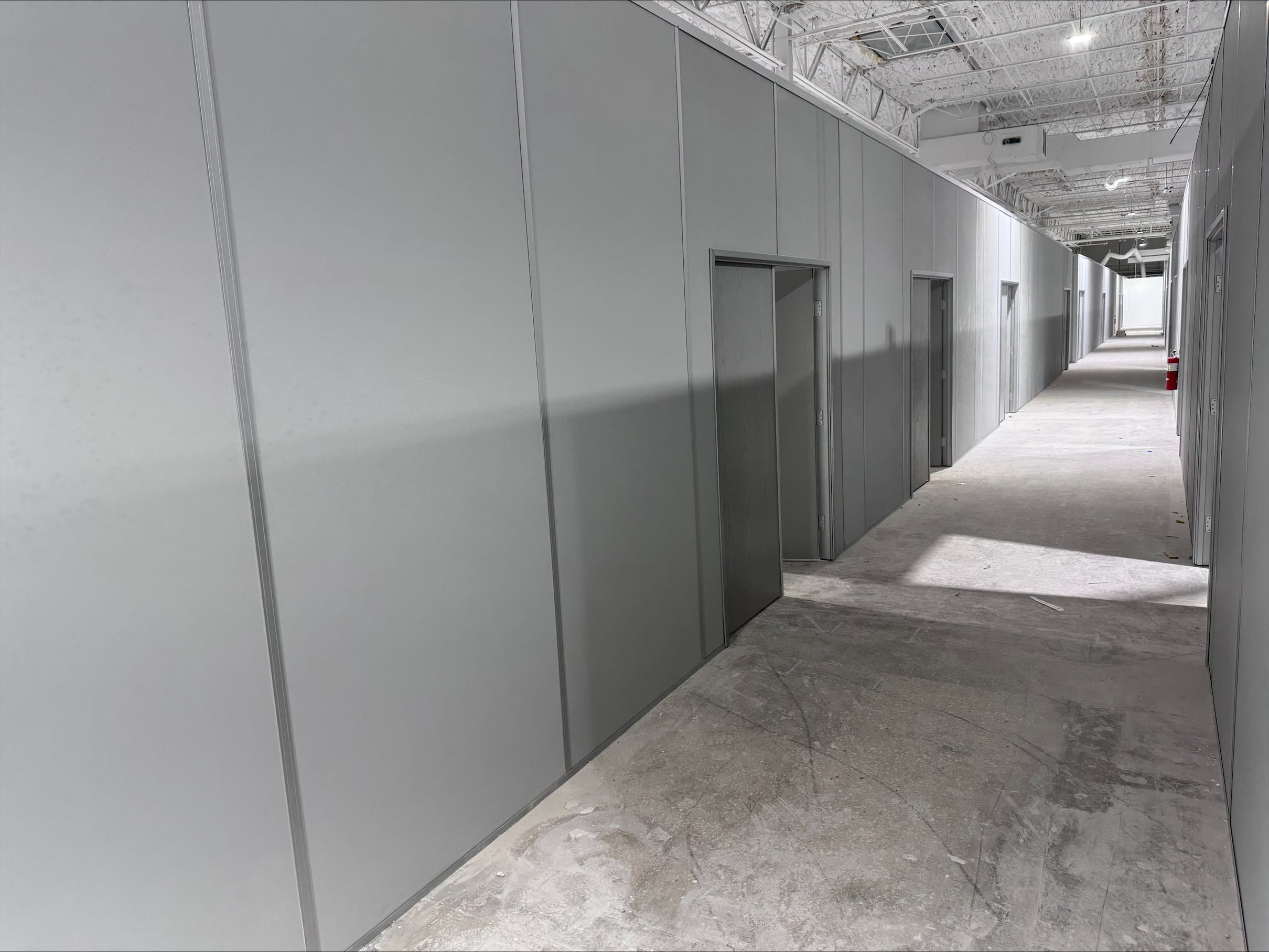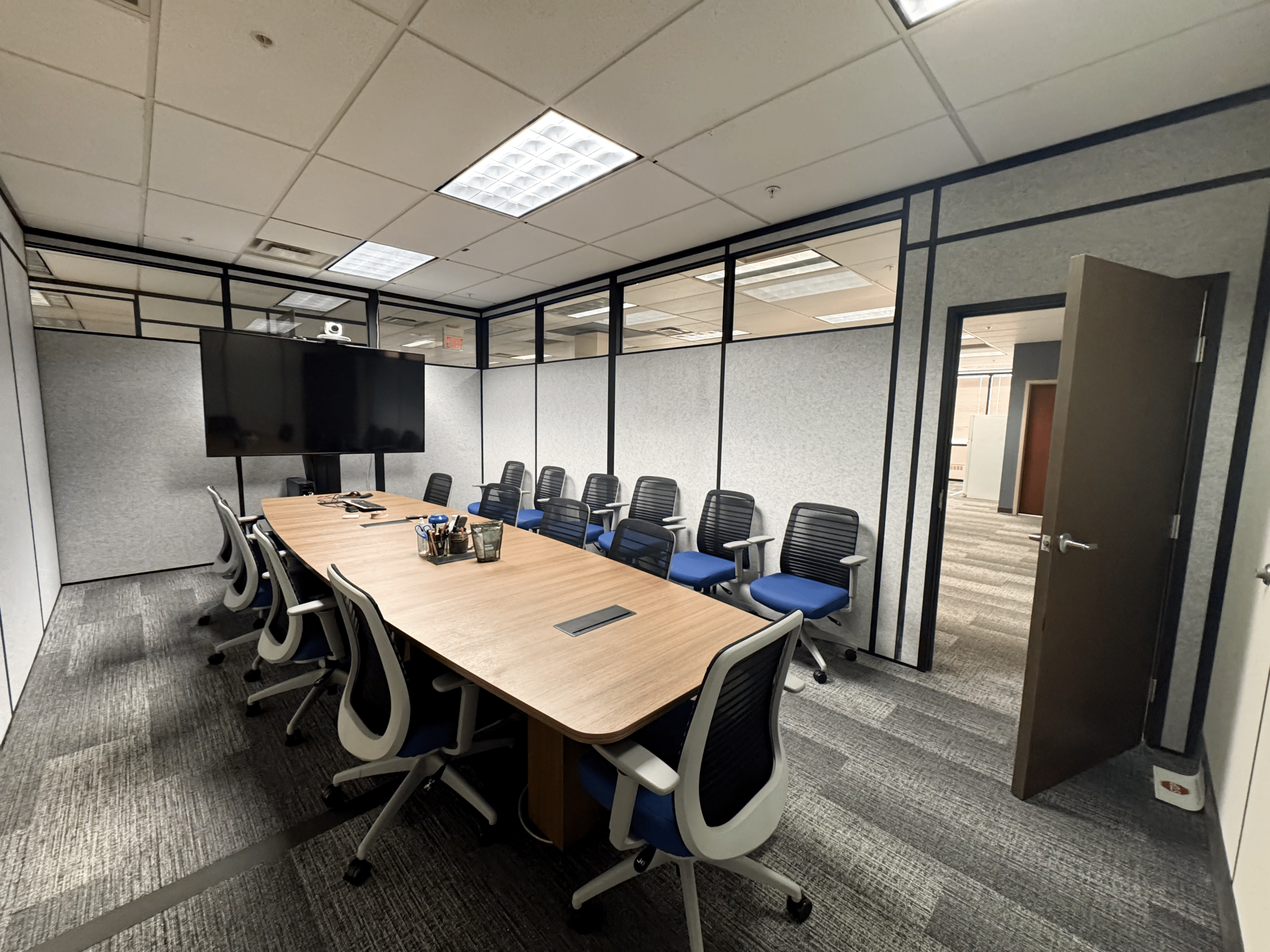
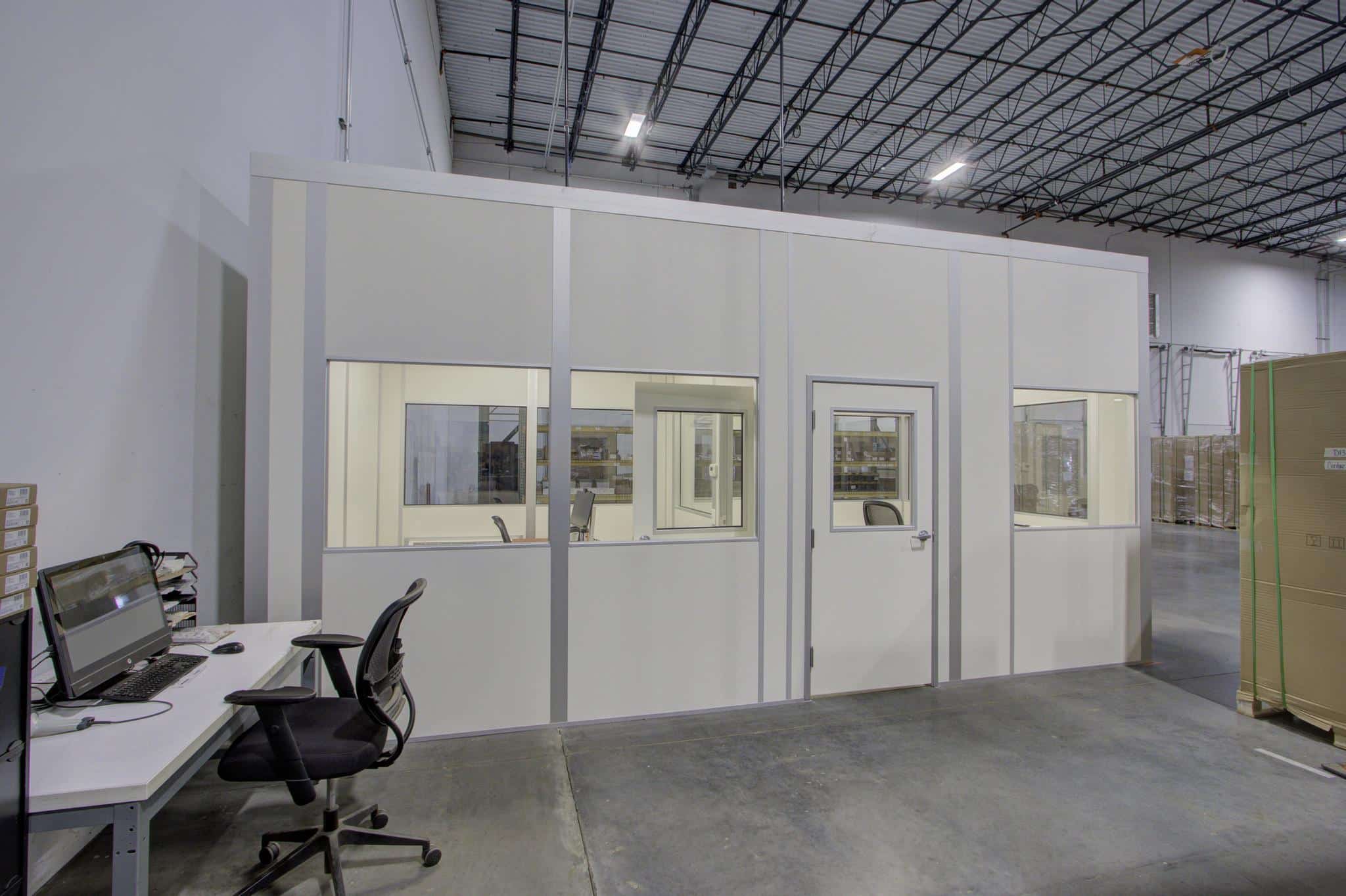
There’s a common misconception that modular construction is temporary at best, and flimsy or low quality at worst. But this could not be further from the truth. These days, modular buildings are even used for applications like cleanrooms, which have incredibly high standards and don’t have a large margin for error. By the same token, today’s modular offices, guardhouses, and partitions are all built in controlled environments with materials of the highest quality. In this article, we’ll discuss the pros and cons of modular construction so that you can see how it compares to more traditional methods.
What Is Modular Construction?
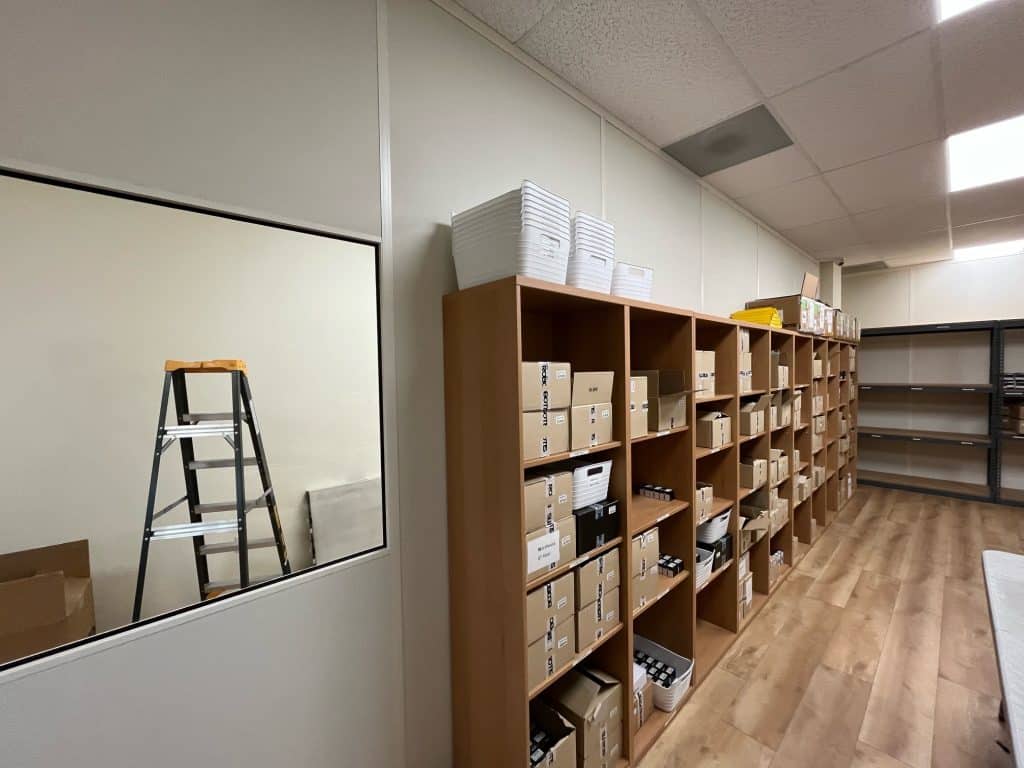
Modular construction is basically a method in which large prefabricated sections of a building are made within a factory, before they are delivered to a site for the final assembly. Compared to traditional construction, which happens almost exclusively on-site, modular buildings are built in an indoor, controlled environment, which as you may well imagine, comes with its own benefits that we’ll get into later.
Once the sections or “modules,” are finished, they’re wrapped and delivered to the site. After that, a small crew sets up the space by joining the units together. One of the great parts about modular is that, after your space has been installed, it’s “turnkey,” as we say in the industry, or fully functional and ready to use.
As we mentioned in the introduction, one of the biggest myths about modular construction is that it is a temporary solution. However, they are known to last just as long or longer than traditional buildings, provided that they’re taken care of. At any rate, modular buildings are flexible, and they can be expanded, downsized, or even moved to another location entirely. This alone gives it a great return on investment.
Believe it or not, in this day and age, it’s possible to take your building with you.
Pros of Modular Construction

Though we’ve already discussed some of the benefits, here are a few of the most important ones:
(1) They’re quicker to build and install; this is mostly because factory work and site prep can happen at the same time.
(2) They are, in many cases, less expensive than traditional construction; this is for a few reasons. For one, there are fewer delays, especially due to poor weather or labor shortages. Also, since the process happens in a factory, less material is wasted.
(3) Another benefit of modular construction is that the quality is consistent because parts are standardized and made in a factory.
(4) Perhaps the biggest benefit, though, is that they’re flexible. Being able to expand or relocate the building at a later date can futureproof your investment.
Cons of Modular Construction

Modular construction isn’t without its challenges, but most of them can actually be turned into positives with the right planning.
(1) Moving modules will require transportation costs, but of course the building can be completed faster. With a small crew, you can have an office or guardhouse ready in days instead of weeks or months.
(2) Though modular construction is not exactly new, not every region has installers who specialize in modular projects. However, if you work with the right modular manufacturer, they can help you with it from start to finish.
(3) Given that some banks and municipalities are not so familiar with modular, this means that financing and/or approvals can sometimes take more effort. The good news is that your modular manufacturer can usually advise you through the process.
(4) Finally, because modular buildings are made from prefabricated parts, customization may have some limits. That being said, at Allied Modular, for example, we pride ourselves on our extensive customization choices and custom color options, as well as layouts, finishes, and features that are built to fit our customers’ needs.
The Bottom Line
Modular construction is quicker, often less expensive, and more flexible than traditional construction. However, while sometimes there may be extra transport costs, slightly more difficult approvals, and at times, limited customization choices, overall, the benefits of modular still outweigh the drawbacks.
Interested in adding modular spaces to your location? Reach out to the experts at Allied Modular for a quote on new structures: