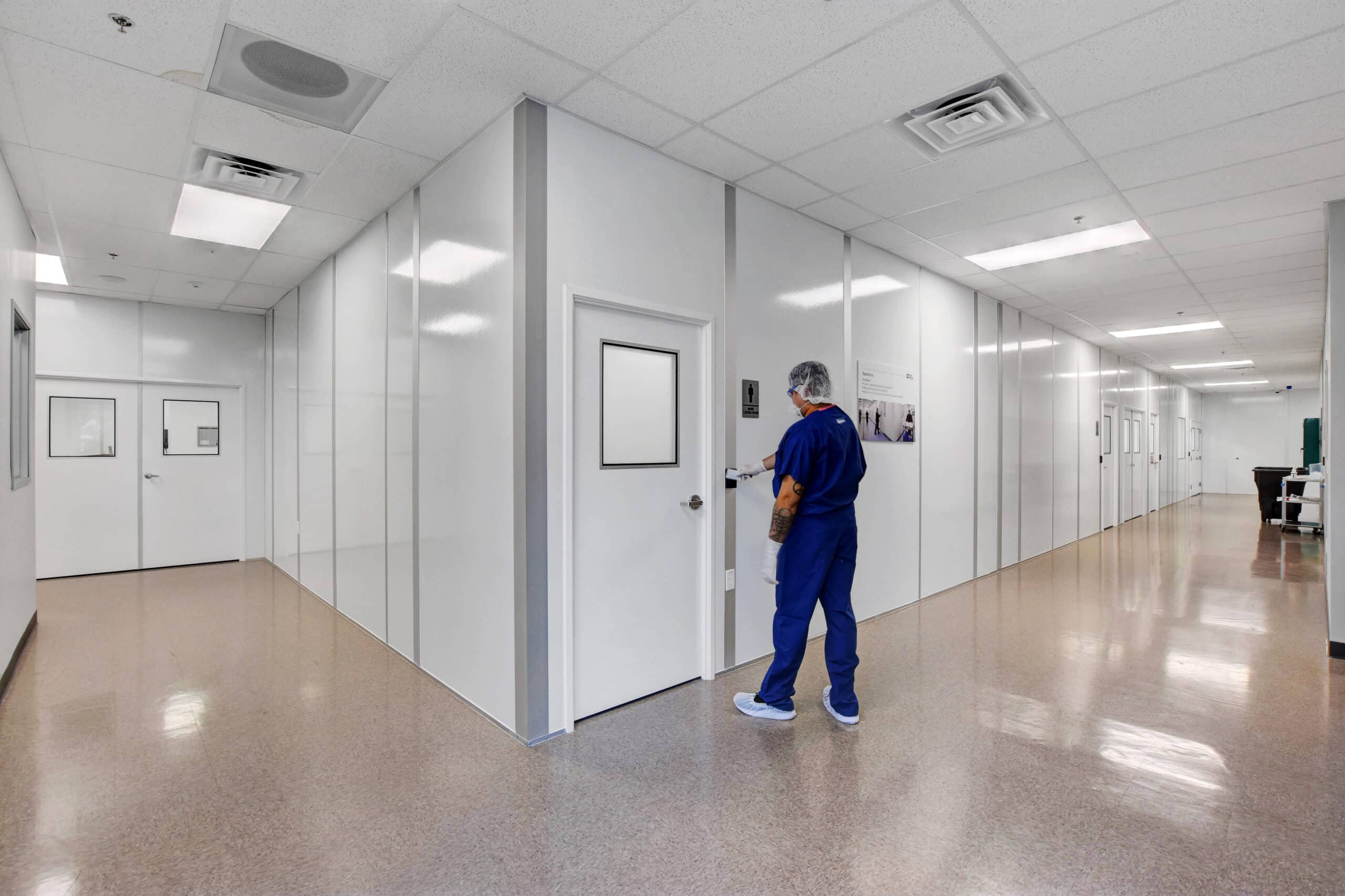
In modern manufacturing, for better or worse, sometimes it doesn’t take too much to damage products. It could be because of a small change in temperature, a drop in humidity, or even because of small particles of dust. Our understanding of the environment has enabled us to create better products, but at the same time it has revealed the weaknesses of our previous processes. As a result, such work goes on under tightly managed conditions, and controlled environment rooms are designed to accomplish just that. In this article, we’ll cover what these are, who uses them, some of their features, and more.
What Are Controlled Environment Rooms?
Controlled environments are simply rooms that manage or control certain conditions, such as temperature, particle levels, humidity, air pressure, and lighting, among others. Though a simple office with air conditioning may technically be “controlling” the environment, it would not qualify because these spaces are typically used in manufacturing and research.
For example, in a compounding pharmacy, you may need to control the environment such that no new germs are introduced to medications. Or, if creating semiconductors, you may need to ensure that static electricity is kept to a minimum, as it can damage small electrical parts.
Though there is much overlap with cleanrooms, they are not the same either. The main purpose of a cleanroom is to limit the size and number of particles within a space, and strictly speaking, controlled environments don’t always need to do that.
People often refer to these rooms by different names, such as controlled environments, environmental enclosures, climate-controlled rooms, and as we mentioned, is sometimes a synonym for “cleanroom.” Regardless of the name, the goal is essentially the same, and that is to create a space where certain conditions stay within steady limits.
What Industries Use Controlled Environment Rooms?

As we mentioned already, they are mostly used in research and manufacturing contexts. Here are some of the most common industries that use them:
- Aerospace
- Electronics & semiconductors
- Pharmaceuticals
- Medical devices
- Biotech
- Food & beverage
- Research
- Nanotech
- Automotive
What Are Modular Controlled Environments?
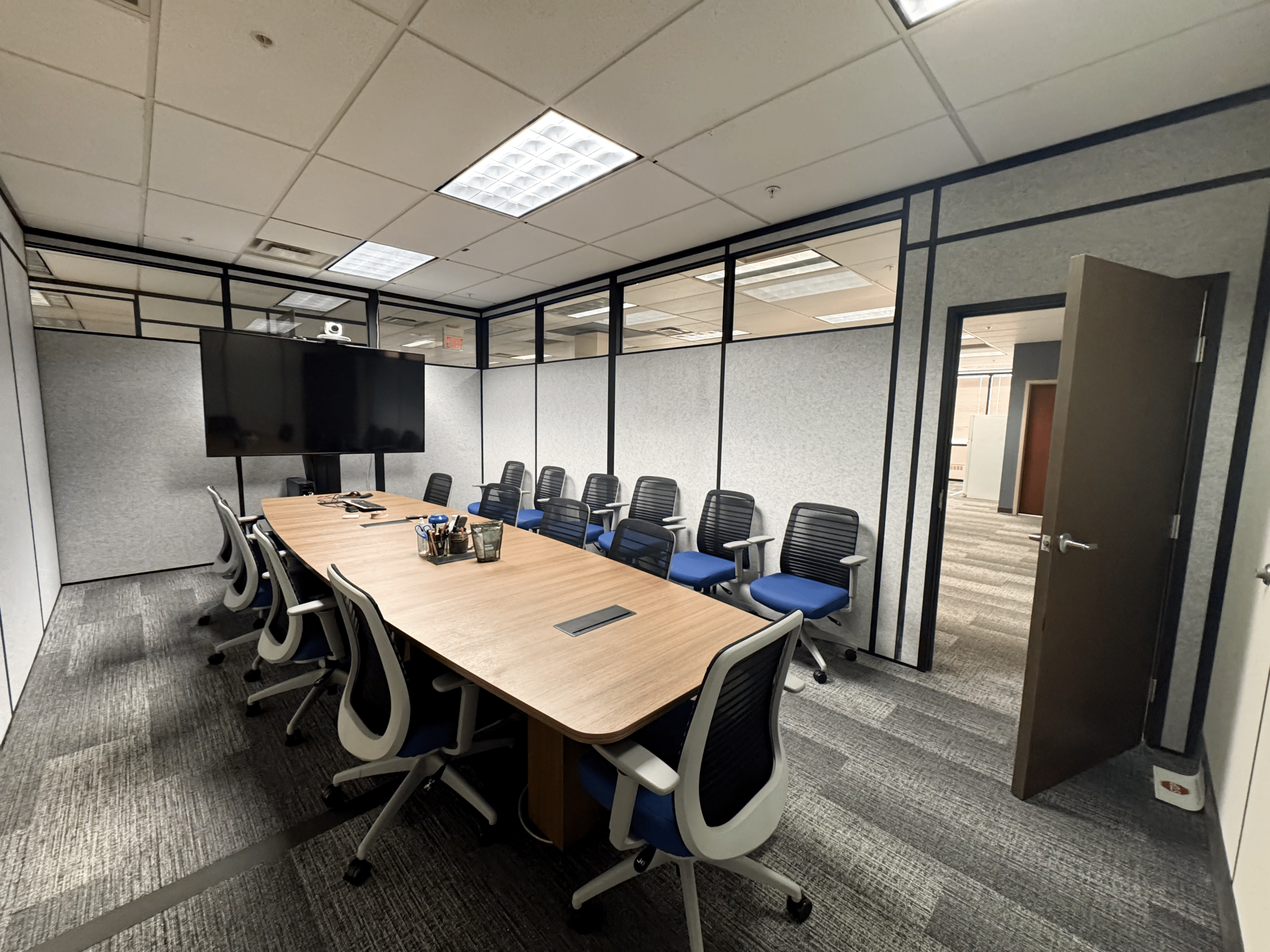
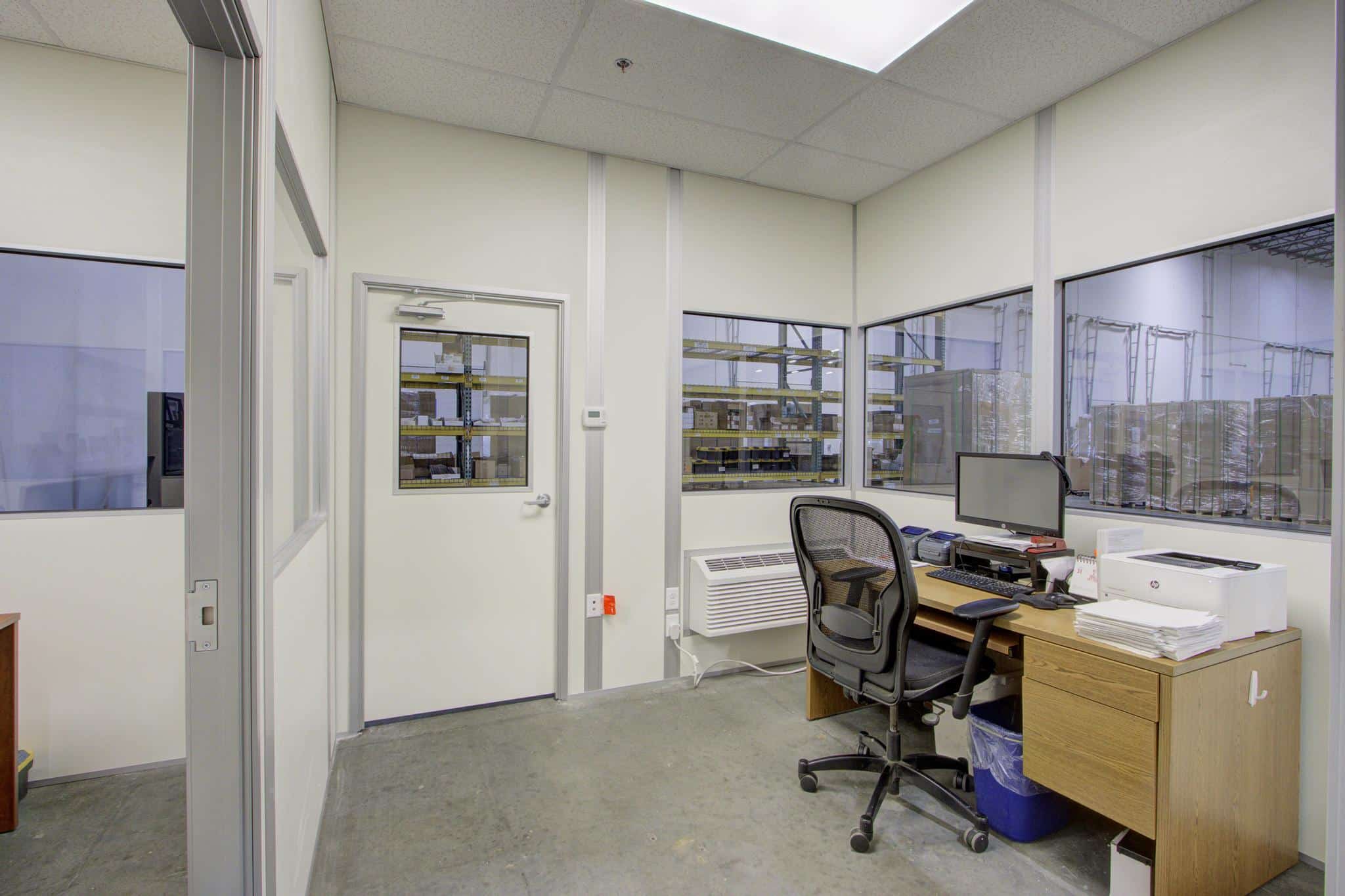
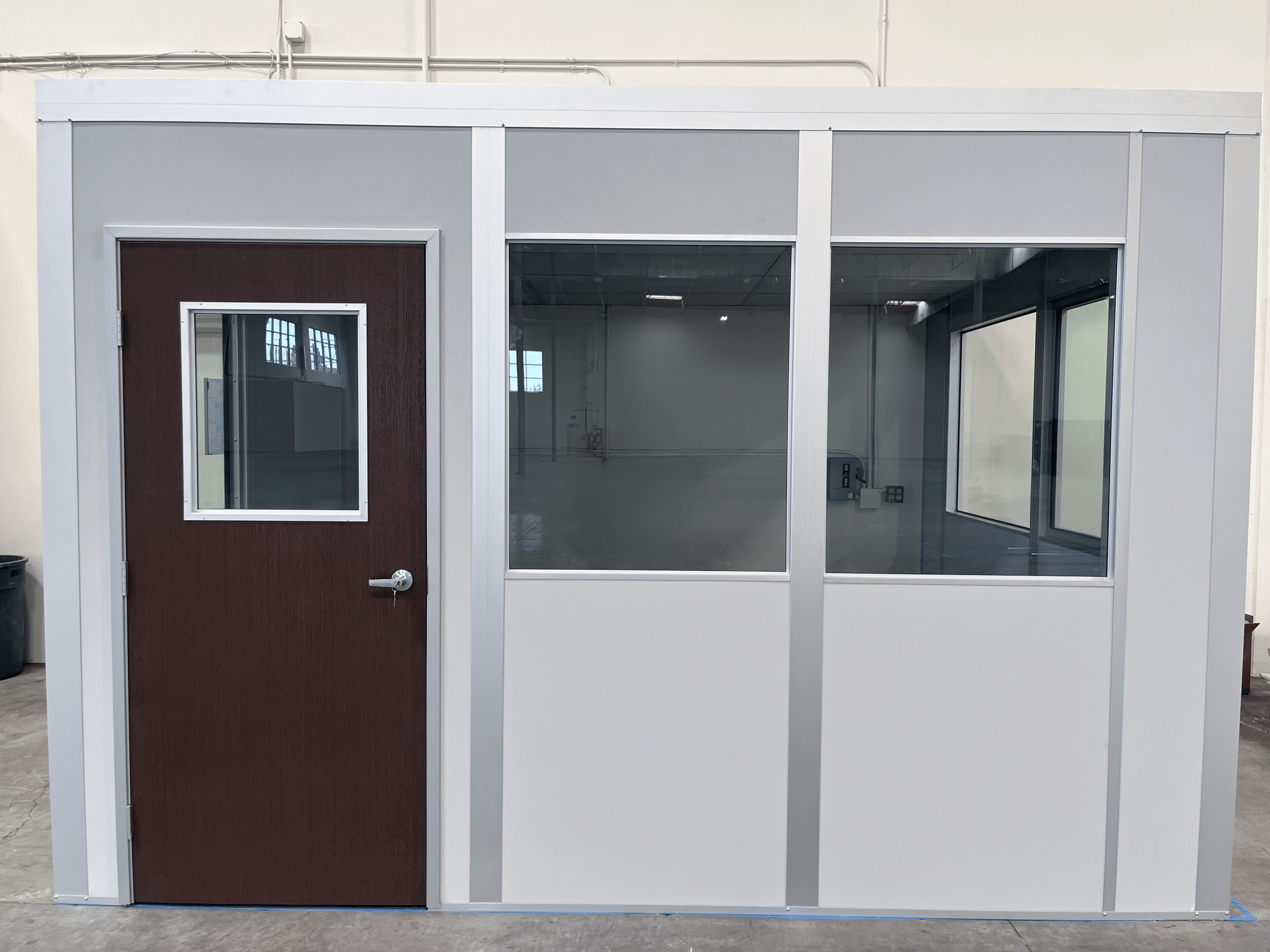
Modular controlled environments are buildings that are prefabricated in sections (or “modules”), and then assembled once they reach the job site. Some of the main benefits of choosing modular over traditional construction include:
- Lower costs
- Fewer disruptions to your business
- A cleaner construction process (less wasted materials)
- Flexibility (your space can be expanded/upgraded later on should you choose to)
A Few Ways that Controlled Environment Rooms May Be Customized

Since controlled environments often need to manage different conditions, each will have different requirements and needs. As a result, each design will have specific features to help protect whatever work is being done within the space:
- Various Materials for Walls and Surfaces: Anodized aluminum, fiberglass-reinforced plastic, vinyl, steel, and more.
- HVAC Systems: With temperature, pressure, and humidity control. HEPA/ULPA filters can also be added if airborne particles need to be limited.
- Flooring: Static-dissipative flooring for ESD control, seamless vinyl, and epoxy coatings, among others.
- Additional Features: Airlocks, pass-throughs, digital monitoring systems, interlocking doors, fire suppression systems, and more.
Obviously, the above is only a short list. Controlled environment rooms can be fully customized to meet guidelines/regulations, including ISO, cGMP, USP 797/800, and other standards.
The Bottom Line
In short, controlled environments help manage various conditions so that particular work can be performed in the space. They are used in many industries, are often built with modular construction, and can be customized to meet a variety of requirements and standards.
Interested in adding controlled environment rooms to your location? Reach out to the experts at Allied Modular today for a quote on new structures:
FAQs About Controlled Environment Rooms
1. Can existing buildings be retrofitted into controlled environment rooms?
Yes, absolutely. In fact, many controlled environments, and especially modular ones, are built inside warehouses or factories without the need for large structural changes.
2. Can modular controlled environments be relocated?
Yes, they can. As we mentioned in the article, modular buildings are flexible, and one of the benefits of that is that you can disassemble the space and reassemble it at a new location.
3. How long does it take to install a modular controlled environment?
The exact time installation will take depends on how complicated or complex the building is, but the most simple ones can be finished within days or weeks, compared to months for traditional construction.