Everyone knows that schools run into space problems all the time. Sometimes enrollment goes up, school programs expand, or buildings get renovated (which in many cases takes longer than anyone first expects). Then, suddenly, there aren’t enough rooms to accommodate staff and students.
The usual options, traditional construction, leasing portable trailers, or cramming more people into existing rooms, all have their downsides.
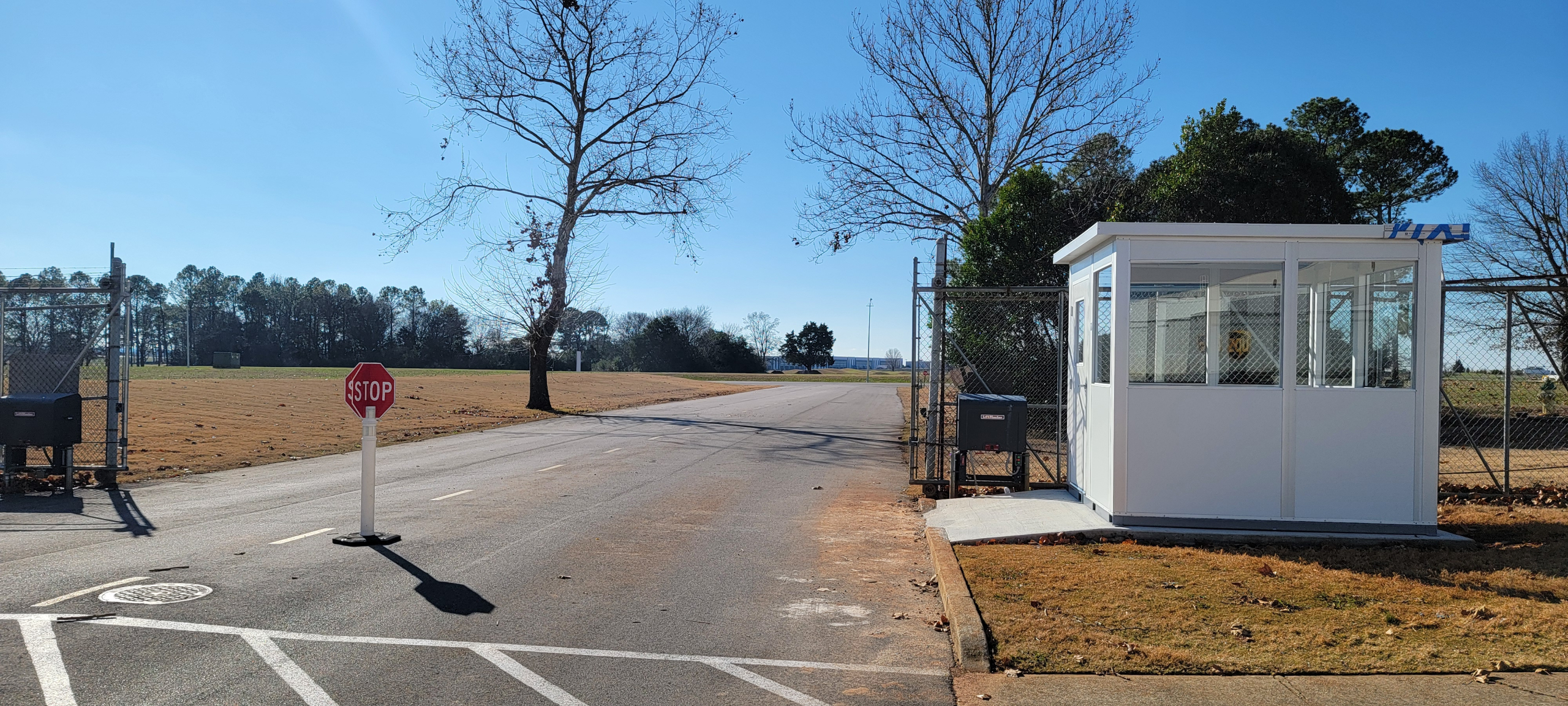
But modular buildings give schools more flexible options. They can be used to add classrooms, offices, conference rooms, and other spaces, often faster and with fewer disruptions than the traditional route.
In this article, we’ll cover how modular buildings for schools work, what they’re commonly used for, and what to think about before choosing one.
Intro to Modular Buildings for Schools
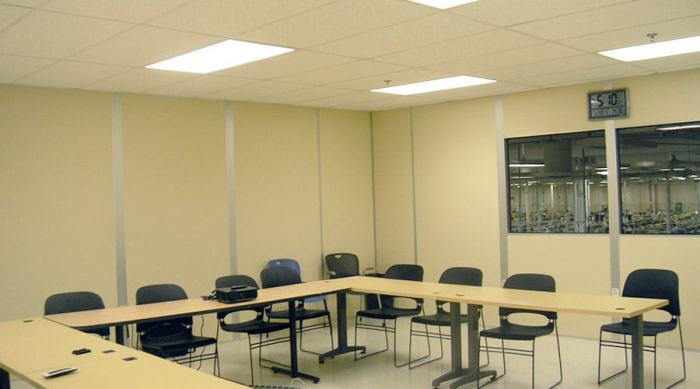
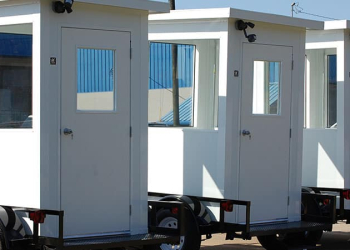
Modular buildings are structures built from prefabricated sections, that is, wall panels, ceiling systems, doors, windows, and electrical, that are manufactured offsite in a factory and then assembled at the school.
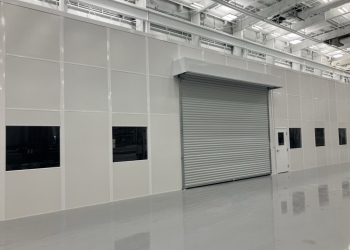
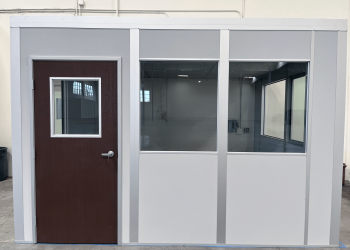
Some modular school buildings are standalone structures placed on the campus grounds. Others are built inside existing school buildings, using modular wall systems to create new rooms, divide large spaces, or add offices within the building you already have.
Either way, the concept is the same in that you get usable space faster, with less mess, and with the flexibility to change things later if you need to.
What Schools Use Modular Buildings For
Schools use modular construction for all kinds of space needs. Some of the most common ones we see are:
Classrooms
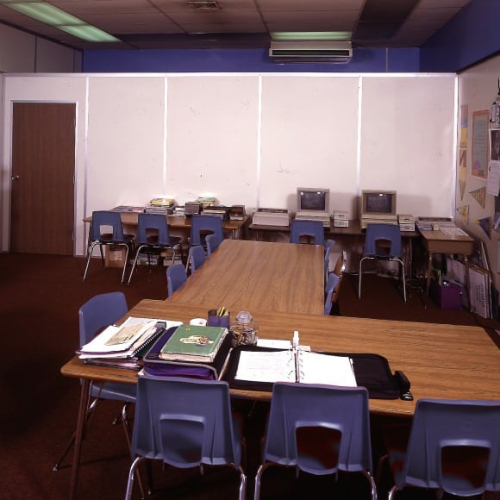
This is the obvious one. When a school needs more teaching space, whether it’s because of enrollment growth, a new program, or a renovation displacing existing classrooms, modular classrooms help fill that gap. They can be standalone buildings on campus or rooms created inside an existing structure using modular partition systems.
Administrative Offices
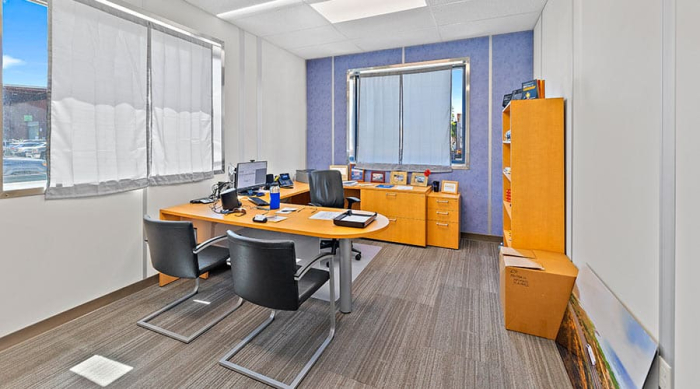
As schools grow, the admin team often does too. Principals, counselors, registrars, and other staff all need a space to work. Modular offices can be added inside an existing building without a full construction project.
Conference and Meeting Rooms
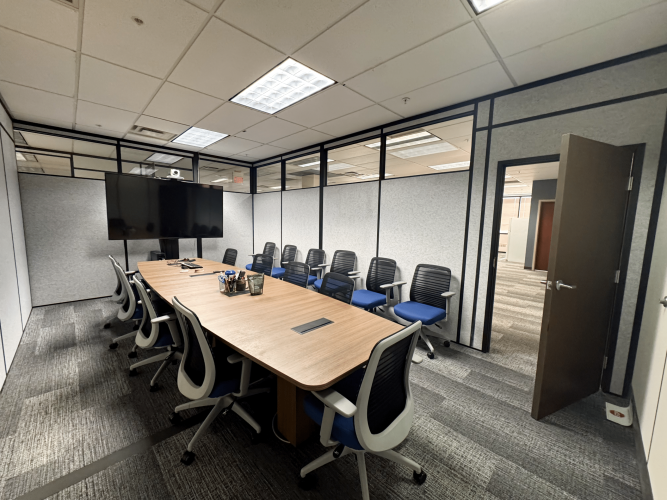
Schools are known to hold meetings constantly, whether staff meetings, parent conferences, etc. A modular conference room gives the school a private space for these.
Temporary Space During Renovations
This is a big one. When a school is renovating, students and staff need somewhere to go. Modular buildings can serve as temporary spaces that keep the school running while construction happens elsewhere on campus.
Break Rooms for Staff
Teachers and staff need a place to eat, decompress, and take a break from students. A modular break room can be set up inside an existing building.
Classroom Partitions
Sometimes a school doesn’t need a whole new building. It just needs to divide a large open space into smaller areas. Modular partition walls make this possible without permanent construction. And if the school’s needs change later, the walls can be moved for other uses, or removed altogether.
Why Schools Choose Modular Over Traditional Construction

Schools often operate on tight budgets in addition to strict schedules. The school year can’t wait for construction crews to finish the job, and that’s why modular tends to be a great fit for education. Here are the main reasons schools choose to go this route:
Speed
Modular buildings go up fast. Because the parts (or “modules”) are manufactured offsite while the school’s site is being prepared, the whole process runs in parallel instead of step by step. For schools that need space before the next semester or school year, that speed can make a big difference.
Fewer Disruptions
Construction with school in session is not great for the students. There’s noise during class and contractors sharing space with them, which is chaotic to say the least. Modular reduces a lot of that because most of the building happens in a factory, not on campus. The on-site work is mostly just assembly, which is faster and cleaner.
Flexibility
Schools often need to change. A district might need three extra classrooms this year and five offices next year. Modular walls and structures can be reconfigured, expanded, or relocated as needs shift. With traditional construction, you’re stuck with what you already built.
Cost
Modular is typically more affordable than traditional construction, but beyond that, it’s also more predictable. The factory-controlled process reduces surprises, change orders, and the kind of delays that inflate budgets. For schools without much of a budget, that predictability is important.
What to Think About Before Choosing a Modular Building for Your School
Before jumping in, there are a few things schools should sort out:
What’s the space actually for? Classrooms, offices, and meeting rooms all have different layouts. You will want to be specific about the use before you start designing.
How long do you need it? This determines whether you go temporary or permanent, and it affects budget, site prep, and permitting as well
Where will it go? If it’s a standalone building, you need campus space for it. If it’s an interior buildout using modular walls, you need a large enough room or area inside your existing building.
What codes apply? School buildings have to meet local building codes, ADA requirements, and fire safety standards. Your manufacturer can help you handle this, but it’s worth understanding upfront.
Does it need to match the existing campus? Some schools care about aesthetics. Modular buildings can be finished to match existing structures, but that needs to be part of the conversation from the beginning.
The Bottom Line
Schools need space, and they usually need it on a deadline. Modular buildings give schools a way to add classrooms, offices, conference rooms, and other spaces without the timeline, mess, and unpredictability of traditional construction.
Whether you need a temporary solution during a renovation or a permanent addition for a growing campus, modular construction can get you there faster.
Allied Modular has been building modular solutions for schools and educational institutions for over 30 years. If your school needs more space, reach out to us for a quote on new structures today.