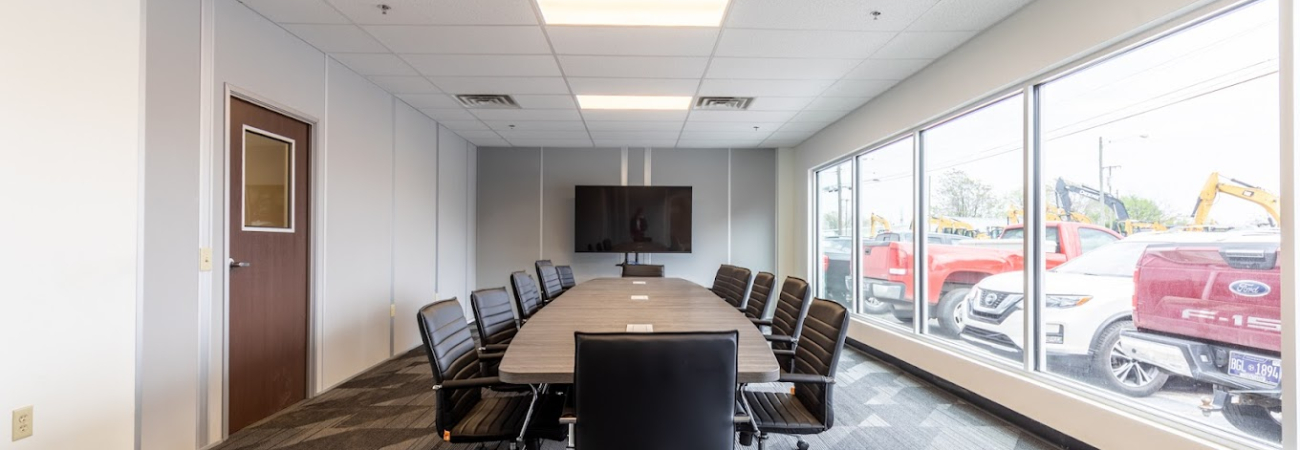
It’s a common myth outside the industry that “modular” is synonymous with temporary.
In other words, that modular offices or other buildings are put up only for a short while (as long as they’re necessary), and then taken down.
But the truth is that modular doesn’t mean temporary at all.
In fact, most modular offices are permanent. And why wouldn’t they be?
They’re built from commercial-grade materials, they meet the same building codes as traditional offices, and they can last 25 to 35 years or longer.
The fact that they’re modular just means they were built in a certain way. That’s it.
So, in this article, we’ll explain what “permanent” modular office buildings actually are, how they compare to temporary modular buildings, and why more companies are choosing them over traditional construction.
What Makes a Modular Office “Permanent”?

The obvious answer to this, of course, is that what makes a modular office “permanent” is that it’s designed to stay in place for a long time (often decades).
It’s not leased, nor is it a temporary swing space (unless you want it to be). In most cases, it’s a long-term addition to your facility.
The part that gives people the wrong idea is that the word “modular” itself refers to a particular way that the building is made. Rather than being built on-site with drywall, modular offices are manufactured in a factory from prefabricated panels and then assembled at your location.
These “modules” are easy to take apart and put back together, which makes them much easier to move.
However, the fact that it could be moved doesn’t make it temporary. It just means you have the option to reconfigure or relocate if your needs change.
But as we mentioned, most permanent modular offices stay exactly where they are for 25 to 35 years or more.
Permanent Modular Offices Inside Existing Buildings

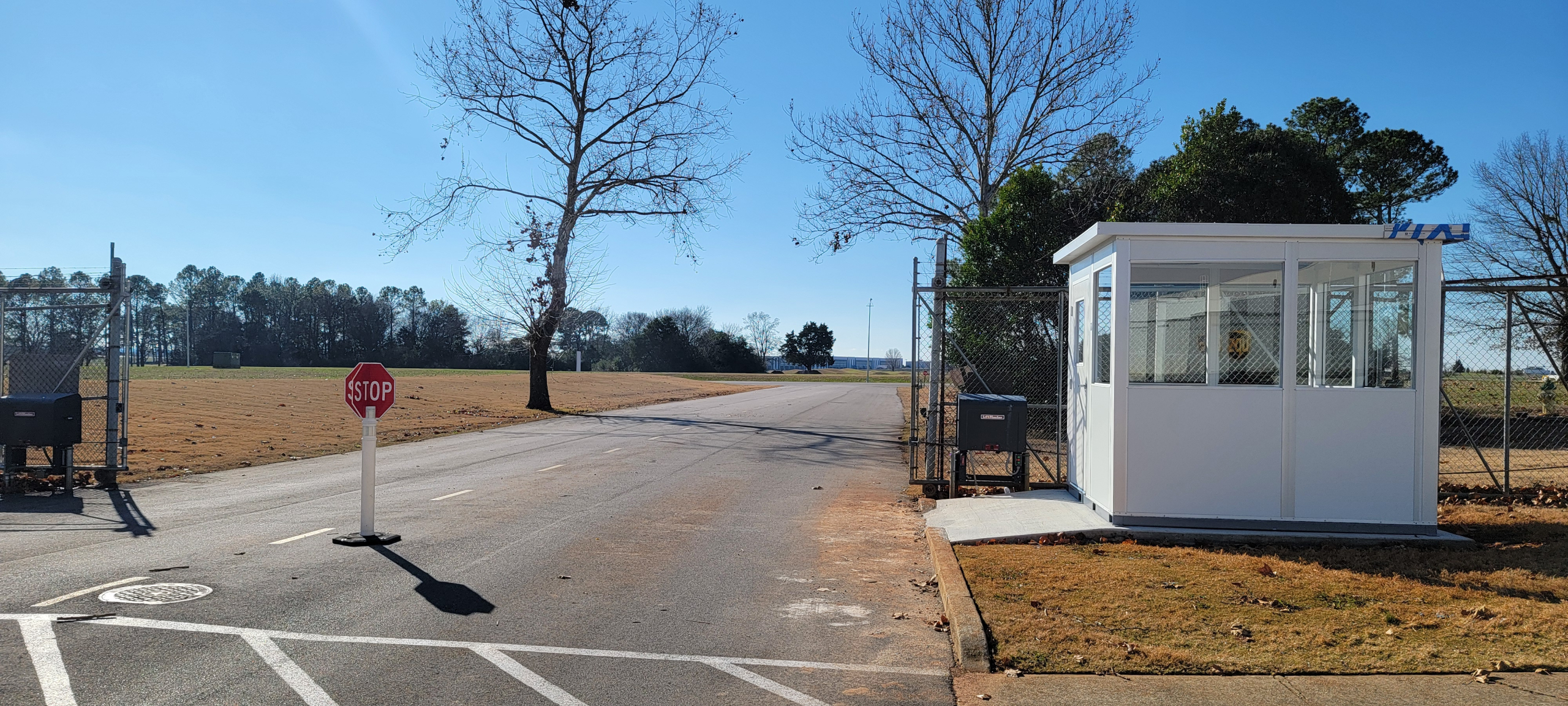
When most people picture a permanent modular office building, they sometimes imagine a standalone structure sitting on a foundation somewhere outside. And that’s one version of it, sure.
But permanent modular offices can also be built inside existing buildings, and this is actually one of the most common applications.
For example, a warehouse might need office space for supervisors. Or a factory might need a QC area on the production floor.
In each of these cases, the modular office is a freestanding structure built inside the facility.
It’s not attached to the building’s walls or roof. It has its own framing, its own panels, and even its own electrical and HVAC. And it’s just as permanent as a standalone building, meaning it lasts just as long, meets the same codes, and functions the same way.
The only real difference is that it’s inside your building instead of outside it.
For a lot of companies, that’s actually the better choice, because you’re using space you already have rather than expanding your footprint.
Why Choose Permanent Modular Over Traditional Construction?
If the end result is the same (a permanent office), then why go modular instead of just building it the traditional way? Well, there are a few reasons.
For one, it’s much faster. Modular offices are manufactured offsite while your location is being prepped. The on-site installation takes days or weeks rather than months.
It’s also much less disruptive. There’s no months-long construction site creating dust and distractions. Your operations can keep running while the office goes up.
What’s more, it can be changed later. An office built with drywall is permanent in the worst sense. If your circumstances/needs change, you’ll need to demolish and rebuild. On the other hand, a modular office is permanent in a way that’s flexible. You can reconfigure it, expand it, or move it without starting from scratch.
The tax treatment is better too. Modular offices are typically classified as tangible personal property, which depreciates over 5 to 7 years instead of 39. They may also qualify for Section 179 and bonus depreciation. (We covered this in detail in our post on the tax benefits of modular construction.)
Last but not least, modular construction is sustainable. It generates less waste, uses recycled materials, and the parts can be reused. Modular wall systems can even contribute up to 25 points toward LEED certification.
The Bottom Line
Permanent modular office buildings are real, code-compliant, commercial-grade offices.
The only thing that separates them from traditional construction is how they’re built, a difference that often works in your favor.
So, whether you need a standalone structure or an office inside your warehouse, modular gives you a permanent solution that goes up faster and which can adapt if your needs change down the road.