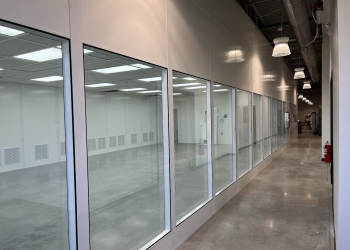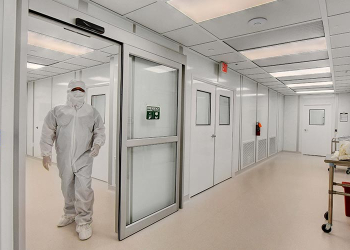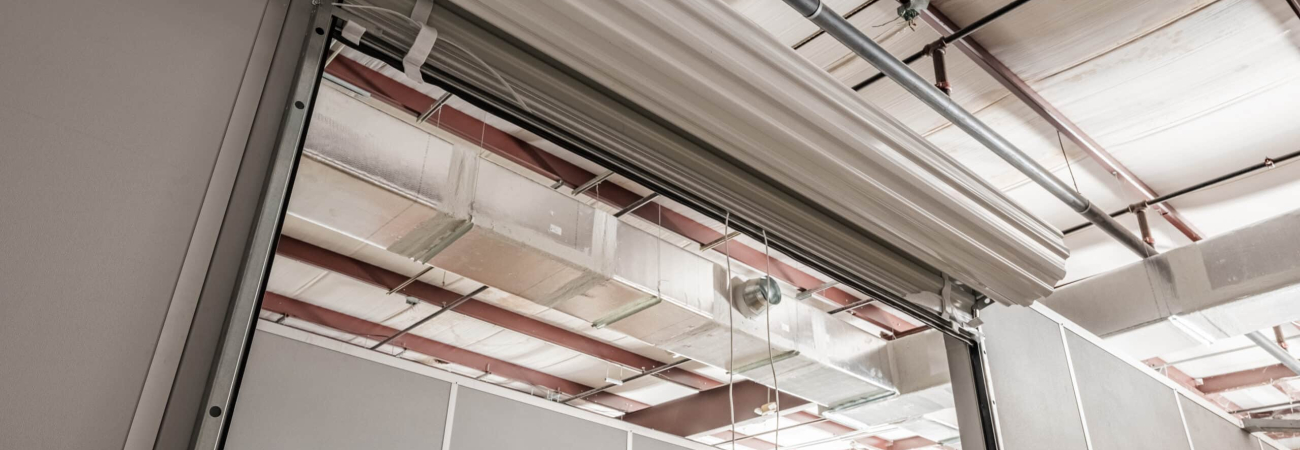
When people think about LEED certification, they usually think about solar panels, energy-efficient HVAC systems, and low-flow fixtures. What they don’t think about is how the building was actually constructed. But the construction method matters, and modular actually has a natural advantage here.
In this article, we’ll explain what LEED is, how modular construction helps with it, and how many points it can actually add to your project.
What Is LEED?
LEED is an acronym for Leadership in Energy and Environmental Design. It’s a rating system from the U.S. Green Building Council (USGBC), and what it does, fundamentally, is grade how sustainable a building is.
The way it works is pretty simple. Your building project earns points for things like using recycled materials or cutting waste, and generally keeping the environmental impact as low as possible. The more points you get, the higher your certification level.
- LEED Certified: 40–49 points
- Silver: 50–59 points
- Gold: 60–79 points
- Platinum: 80+ points
Now, aside from caring about sustainability, why else would companies want to do this?
Well, on some government-funded projects, for instance, LEED is a requirement. And for others, it comes down to money.
LEED-certified projects can qualify for tax credits, reduced fees, and faster permitting, though the specifics depend on what state you’re in.
Why Modular Construction Helps With LEED
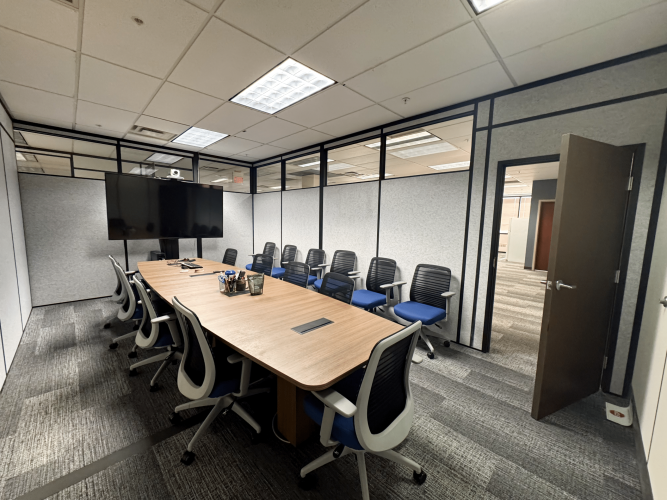
So where does modular construction fit into all of this? It turns out that the way modular buildings are made checks a lot of the same boxes that LEED is looking for.
Less Material Waste
As you may well know already, traditional construction creates a lot of waste. On-site construction can hardly be called efficient. Many materials are overordered, cut wrong, and then wasted. The ones that aren’t used get tossed when the job is over.
Because modular construction takes place within a factory, materials can be precisely cut and measured, which reduces overall waste.
Reusability
This is one of the biggest advantages modular has over traditional construction.
Modular walls, offices, and enclosures are designed to be disassembled, relocated, and reconfigured.
If (or when) your needs change, you don’t need to demolish the entire building and start from scratch. All you have to do is take it apart and rebuild it somewhere else.
Reduced Site Disturbance
Because most of the construction happens offsite in a factory, there’s far less activity at your actual location. LEED awards points for minimizing a project’s impact on the surrounding site, and modular construction does that naturally.
Recycled Content
Many modular manufacturers recycle metals, plastics, and cardboard as part of their normal process. Scrap materials often get repurposed, which directly contributes to LEED’s credits.
Efficiency
As we touched on earlier, construction in a controlled environment (a factory) is inherently more efficient than on-site. There’s far less energy wasted, fewer delays, and a faster process overall. The consistency of factory production also means fewer mistakes, and this in turn means less waste.
How Many LEED Points Can Modular Construction Earn?
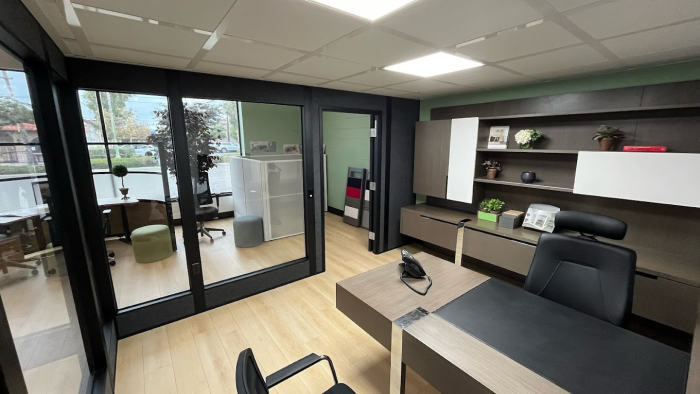
Allied Modular’s wall systems can contribute up to 25 points toward LEED-certified projects.
To put this in perspective, you only need 40 points to reach the base LEED Certified level (as we have shown above). In other words, modular construction alone could get you more than halfway there.
Those points can come from several LEED categories. “Materials & Resources” covers things like recycled content, waste reduction, and reusable building parts; “Indoor Environmental Quality” looks at factors like low-emitting materials and air quality; and “Innovation in Design” rewards construction methods that go beyond standard practice.
It’s also worth noting that having a LEED Accredited Professional (LEED AP) on your project team earns an additional point. Allied Modular has a LEED AP on staff, which means that expertise is built into our process.
Who Should Care About This?
Not every project needs LEED certification, but if you’re building in a location that requires or incentivizes it, working on a government contract, trying to meet internal sustainability or ESG goals, or just looking to take advantage of the financial benefits, it’s worth considering.
Even if LEED certification isn’t a priority for you, the sustainability benefits of modular construction are real. Less waste, reusable materials, and a cleaner build process are advantages whether you’re chasing points or not.
The Bottom Line
Modular construction and LEED are a natural fit, especially when it comes to less waste, recycled materials, and reusable parts. In fact, these are exactly what LEED rewards.
If you’re pursuing LEED certification and need office space, enclosures, or partitions, Allied Modular can help. Our wall systems can contribute up to 25 LEED points, and we have a LEED AP on staff to help guide the process. Contact us today for a quote to get started.