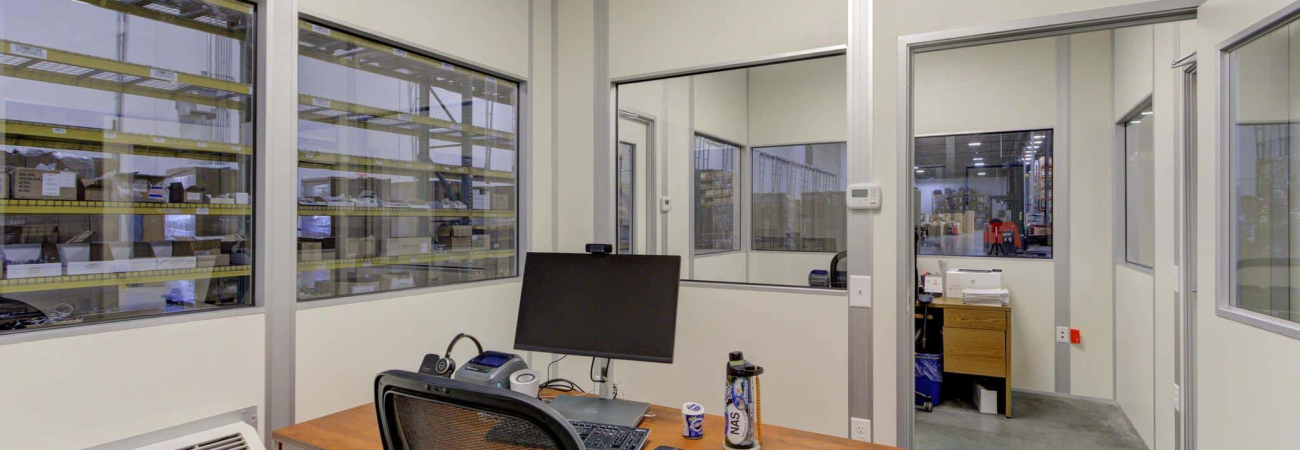
If you’re thinking about investing in a modular office, one of the first things you’ll want to know is how long it’s actually going to last. This is a fair question, and the answer might be surprising. In this article, we’ll cover what factors affect the lifespan of modular offices and how they compare to traditional construction.
How Long Do Modular Offices Last?
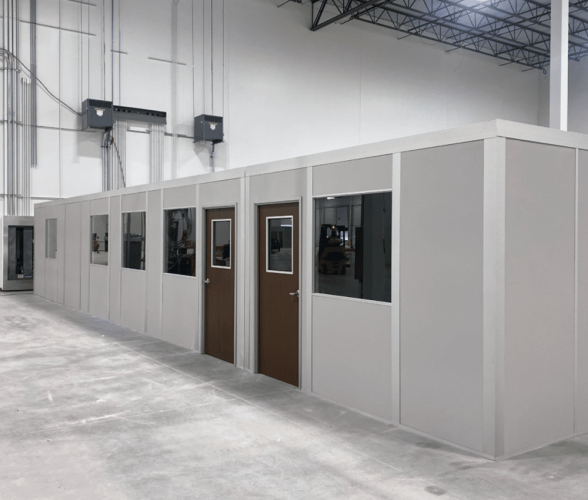
Most modular offices last somewhere in the range of 25 to 35 years, and many go well beyond that. With proper maintenance, there’s no reason that your modular office can’t stay with your business for as long as you need it to.
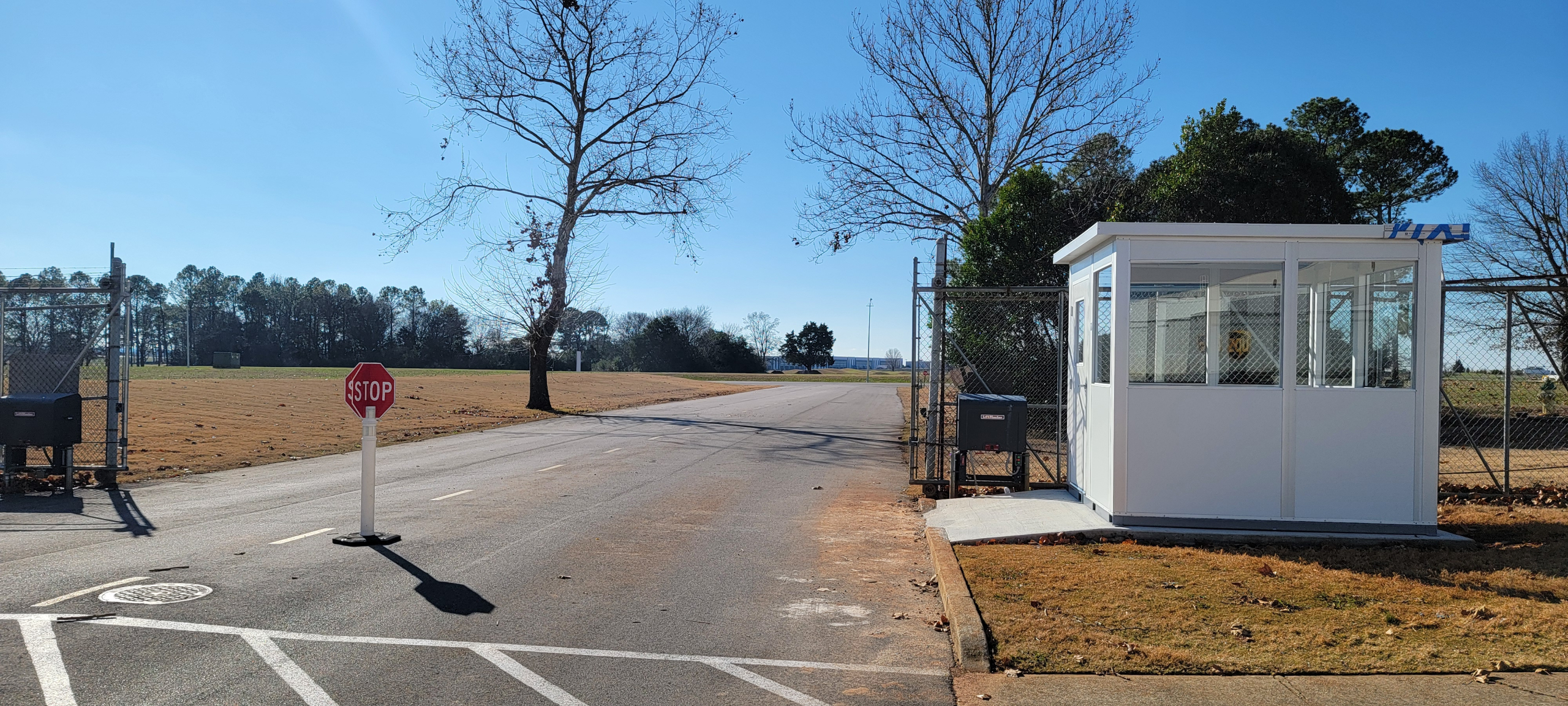
This surprises people who think of modular buildings as “temporary.” But the reality is that they are built from tough materials, including aluminum, steel, and fiberglass-reinforced plastic (FRP), among others. They’re also built to the same standards as any commercial office space.
The difference mostly lies in how the building is put together. Instead of being built on-site with drywall, modular offices are manufactured in a factory from prefabricated panels and then assembled at your place of business.
What Affects How Long a Modular Office Lasts?
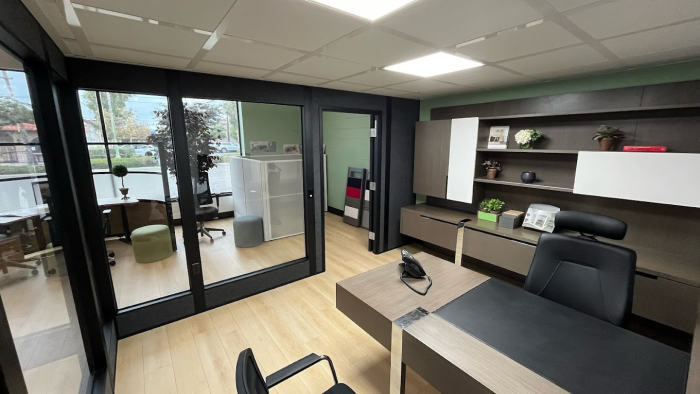
As with any other building, the lifespan of a modular office depends on a few important factors.
Materials
We’ve touched on this partially already, but the quality of the materials matters a lot. Steel and aluminum frames are tough. Non-porous wall surfaces like vinyl-clad gypsum and FRP hold up well over time and don’t degrade the way drywall can.
The Environment
Of course, where the modular office is installed also makes a big difference.
An interior modular office, i.e., one that’s nested inside a warehouse or factory, is protected from many outdoor elements that could contribute to wear over time (rain, snow, UV exposure, etc.). In other words, under these circumstances, modular offices will last longer than similar outdoor buildings that are exposed to the weather.
Maintenance
This is probably the biggest factor.
A modular office that gets basic, regular maintenance is of course going to outlast one that gets ignored.
Maintenance isn’t that complicated, either. You just have to clean the wall panels periodically, change the HVAC filters, and keep an eye out for any damage.
It’s pretty much the same kind of upkeep any other office needs, whether modular or not.
Use
How the office gets used is another big part of it.
If you have an office that’s small and quiet, for a few people only, it is going to age much differently than a break room used by dozens of workers.
Obviously, more use means more wear and tear on doors, flooring, and finishes. But the good news is that with modular construction, these parts are mostly replaceable.
You can easily swap out a damaged panel, replace a door, or fix the flooring without tearing down the whole structure.
This represents a big advantage over traditional construction, where fixing one thing often means ripping out a lot of other things around it.
How Does This Compare to Traditional Construction?
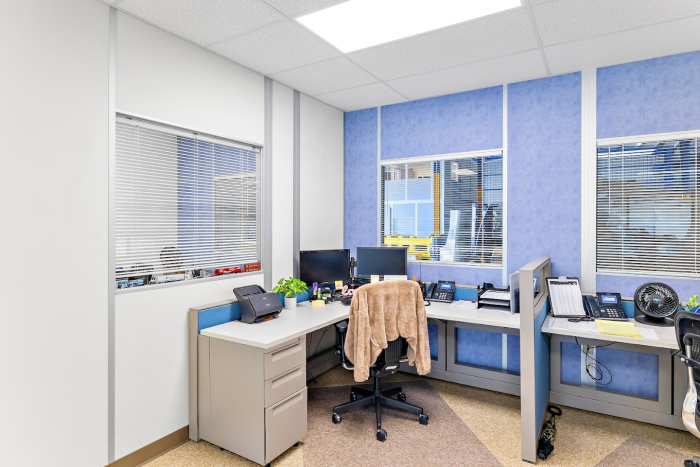
People sometimes assume that a “real” office, meaning one built with drywall, will automatically outlast a modular one. But that’s not really how it works.
Drywall is actually more fragile than most modular wall panels. It dents, cracks, absorbs moisture, and needs patching and repainting regularly. Modular panels made from vinyl-clad gypsum, FRP, or steel are significantly more durable and easier to maintain.
What throws some people off is that the IRS depreciates traditional construction over 39 years. But that’s a tax classification, not a guarantee that it’ll last that long. In practice, a traditional drywall office in a warehouse often needs major repairs or a full renovation well before the 39-year mark.
When a traditional office needs to change, you have to demolish it, but when a modular office needs to change, you can reconfigure it.
Can You Extend the Life of a Modular Office?
Yes, and this is one of modular’s biggest advantages.
With traditional construction, the “life” of an office ends when it no longer fits your needs. At that point, you’re looking at demolition and rebuilding. The materials go in the dumpster, and you start from scratch.
Modular doesn’t work that way. If your needs change, you can take the office apart and reconfigure it into a different layout. You can add sections to make it bigger, or you can remove sections to make it smaller. You can even relocate the entire thing to a different part of your facility, or to a completely different building altogether.
In that sense, the “lifespan” of a modular office isn’t really a fixed number. The panels, frames, and parts keep getting reused, and the office serves your business in whatever form you need it to take.
The Bottom Line
Modular offices, assuming they are built with the right materials and with basic maintenance, should last 25 to 35 years or more. If your needs change, you can reconfigure instead of rebuild. If you have questions about our products or want to learn more, contact Allied Modular today for guidance and a quote on new offices.