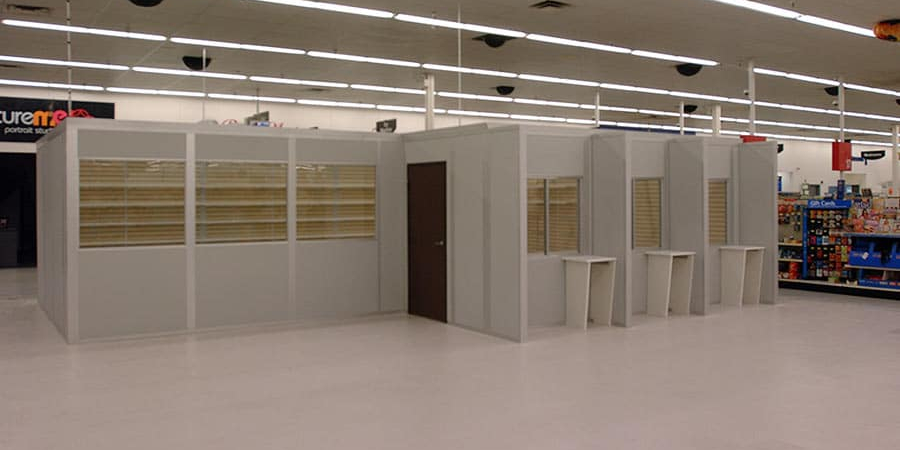
It shouldn’t come as news that retail space changes often. What worked only a year ago may no longer work today. Tenants may move, layouts may need to change, stores are often stuck with the task of adjusting without shutting down.
At the same time, if there’s a need for construction, it needs to stay on schedule and within budget. Traditional buildouts can make those goals harder to meet, especially in busy retail environments.
Modular retail buildings solve these issues with a more efficient approach. By using factory-built wall systems, retailers can create, divide, and expand space inside commercial buildings with far less disruption.
In this article, we’ll cover what modular retail buildings are, how they are used, their benefits, and why many retailers choose modular systems for new buildouts and renovations.
What Are Modular Retail Buildings?
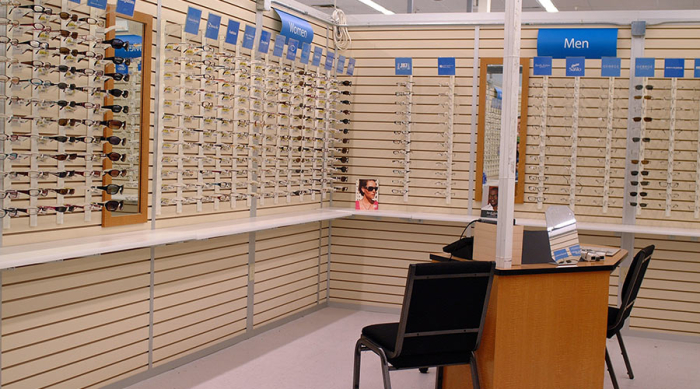
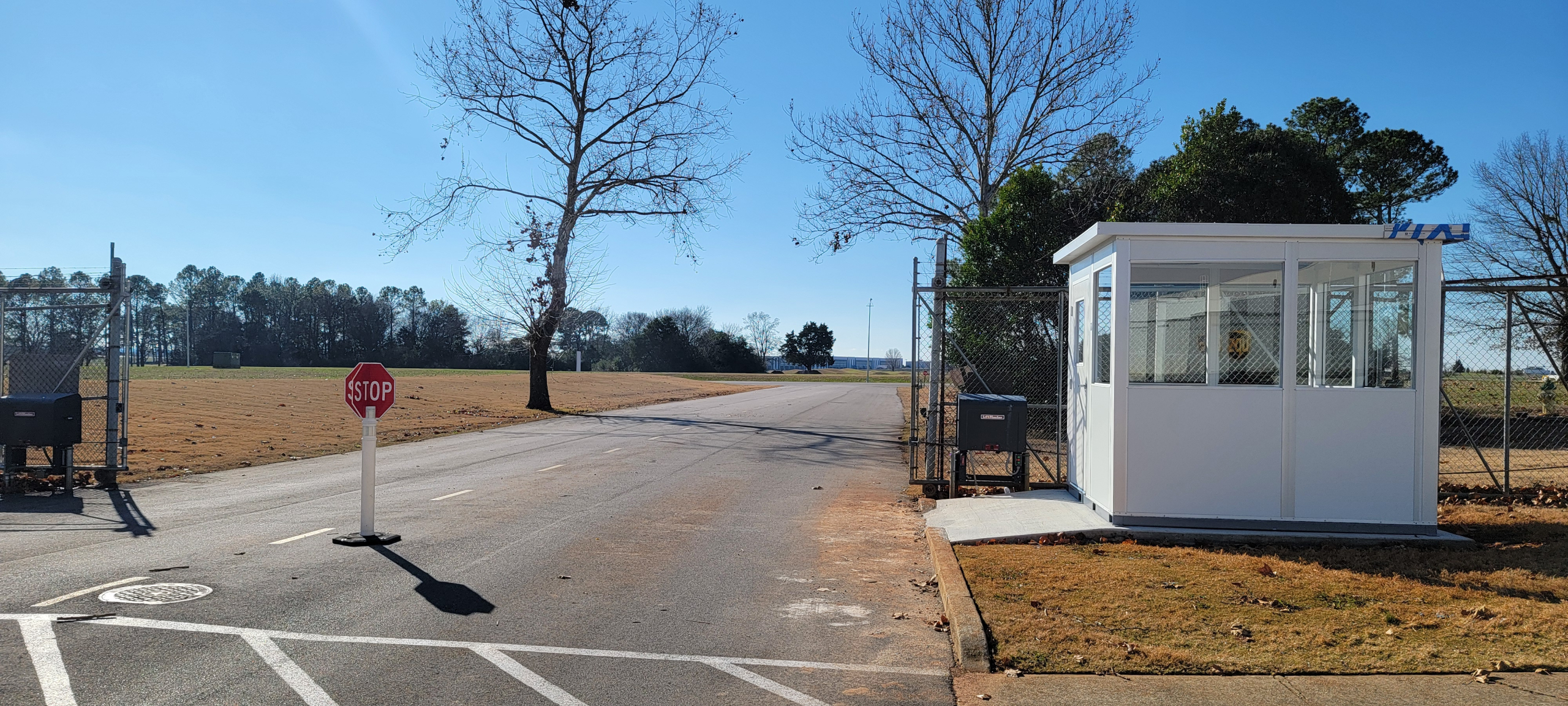
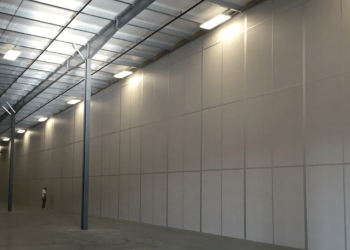
Modular retail buildings are retail spaces that are built using prefabricated, factory-made wall systems. Manufacturers build these “modules,” or parts, off site and install them inside existing commercial buildings.
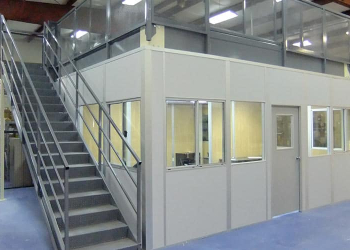
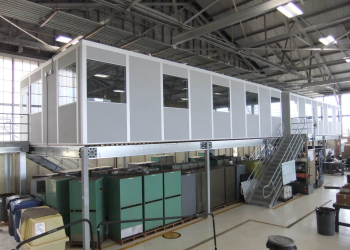
Retailers can use modular construction to build sales areas, storage mezzanines, stockrooms, and more. It also works well for tenant improvements, store-within-a-store layouts, and retail space inside warehouses.
One of the best parts about these systems is that they can be both permanent and relocatable. What’s more, they can be built to meet International Building Code (IBC), fire-rating, ADA, and other requirements.
Applications of Modular Retail Buildings
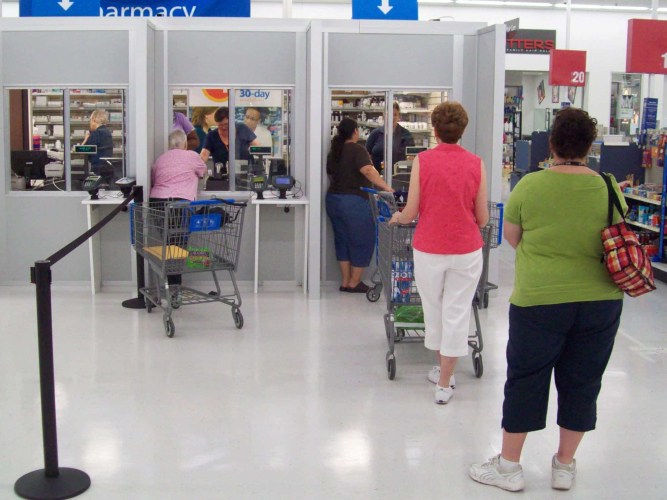
Though we’ve covered some uses for modular construction in retail already, there are many other ways to apply it. Here are a few of the most common ways modular buildings are used to improve retail spaces:
- Tenant improvements
- Demising walls between retail spaces
- Store-within-a-store layouts
- Sales areas
- Interior buildouts in big-box stores
- Stockrooms
- Structural steel mezzanines (vertical expansion) for storage or showroom space
- Warehouse-to-retail conversions
What Are the Benefits of Modular Construction for Retail Buildings?

Construction in retail almost never happens on a relaxed schedule. Buildings and improvements must be finished quickly, while keeping costs low and with as little disruption to current operations as possible. With modular, this is far more achievable than with traditional construction. Here are some of its main benefits.
Faster Construction
As we’ve hinted at already, modular is significantly faster. Because parts are built within a factory, off-site and on-site work occur simultaneously.
When parts are delivered, a small crew arrives to assemble them, taking only a few days to complete. Compare this to traditional construction, where loud noises and messes can linger for weeks, scaring customers away.
Fewer Disruptions to Existing Operations
Renovation shutdowns in retail spaces usually mean lost revenue. For stores that operate year-round, staying open during renovations can make a real difference to the bottom line.
Traditional drywall construction makes this difficult, as it can create dust, noise, and blocked aisles.
Modular wall systems arrive nearly finished. They only need to be assembled by a small crew, with far fewer cuts and much less debris overall.
Predictable Costs
Another benefit is that, because manufacturers build modular parts within a factory, they can better control materials and labor. In other words, less materials are wasted, and less labor is used. These cost savings are passed on to the customer and reduce the unwelcome “surprises” (in the form of change orders) that often occur during stick-built construction.
Flexibility
Finally, there’s the matter of flexibility.
Everyone knows that change happens often in retail. A store may decide to move from large displays to smaller sections. A landlord may want to split one large unit into two separate spaces. Layouts that worked only a year ago may no longer fit today.
Luckily, modular systems make these kinds of changes much easier. With the help of a small crew, buildings can be relocated, expanded, downsized, or removed without any demolition.
Instead of starting from scratch, modular systems are designed to be reused and modified.
Why Retailers Partner with Allied Modular
At Allied Modular, we have been designing and manufacturing modular building systems for decades, and have three facilities across the United States.
For retail environments, we build aluminum-framed modular wall systems, enclosed offices, stockrooms, steel mezzanines, and more.
Each one of our projects is carefully designed beforehand in order to meet the specific needs of the tenant or property owner. Our team will work with you throughout the entire process, from design to installation.
Allied Modular focuses on permanent and relocatable interior solutions that function as part of the building itself.
Interested in adding flexible space? Reach out to Allied Modular today to get a quote on new buildouts.