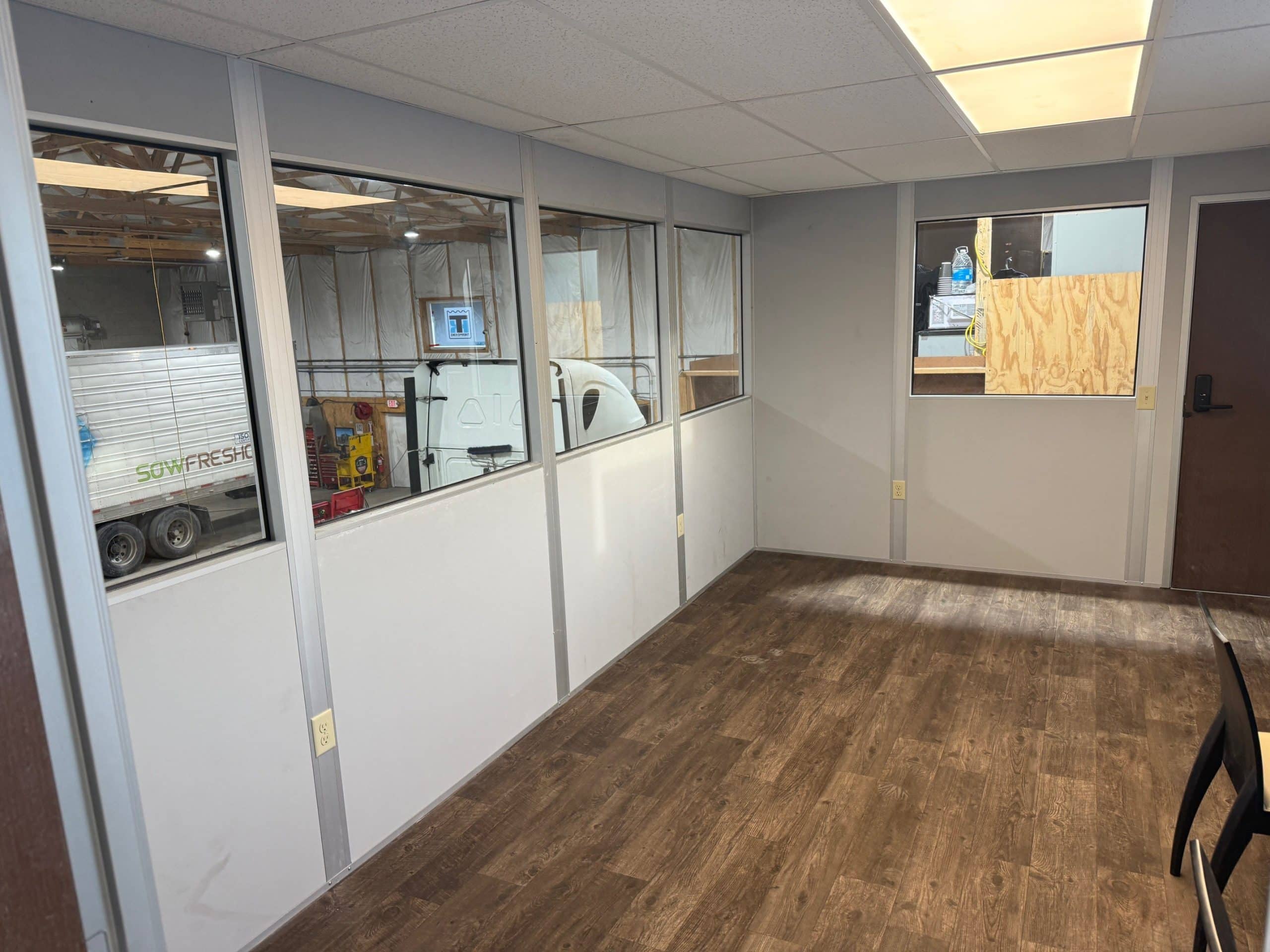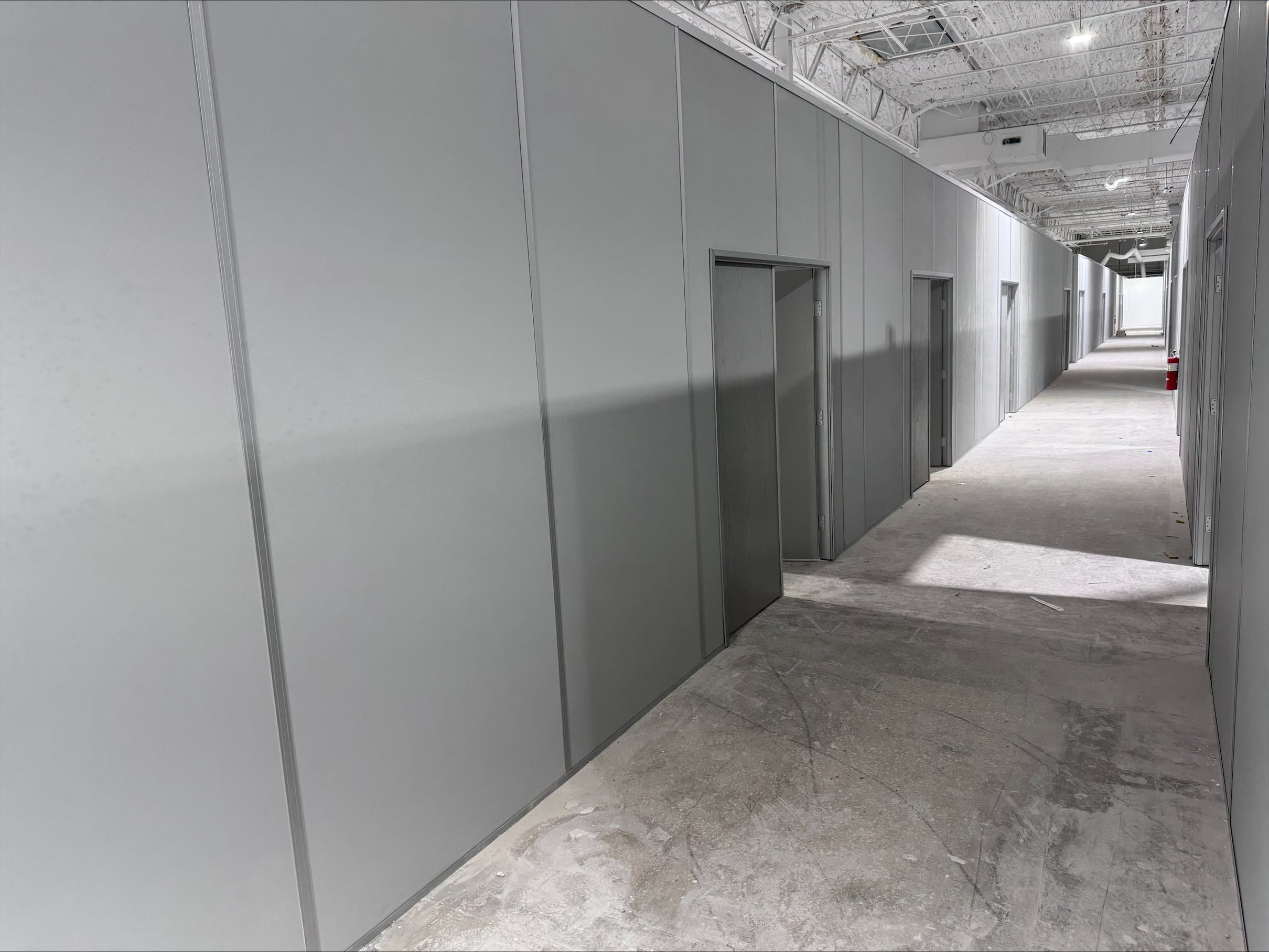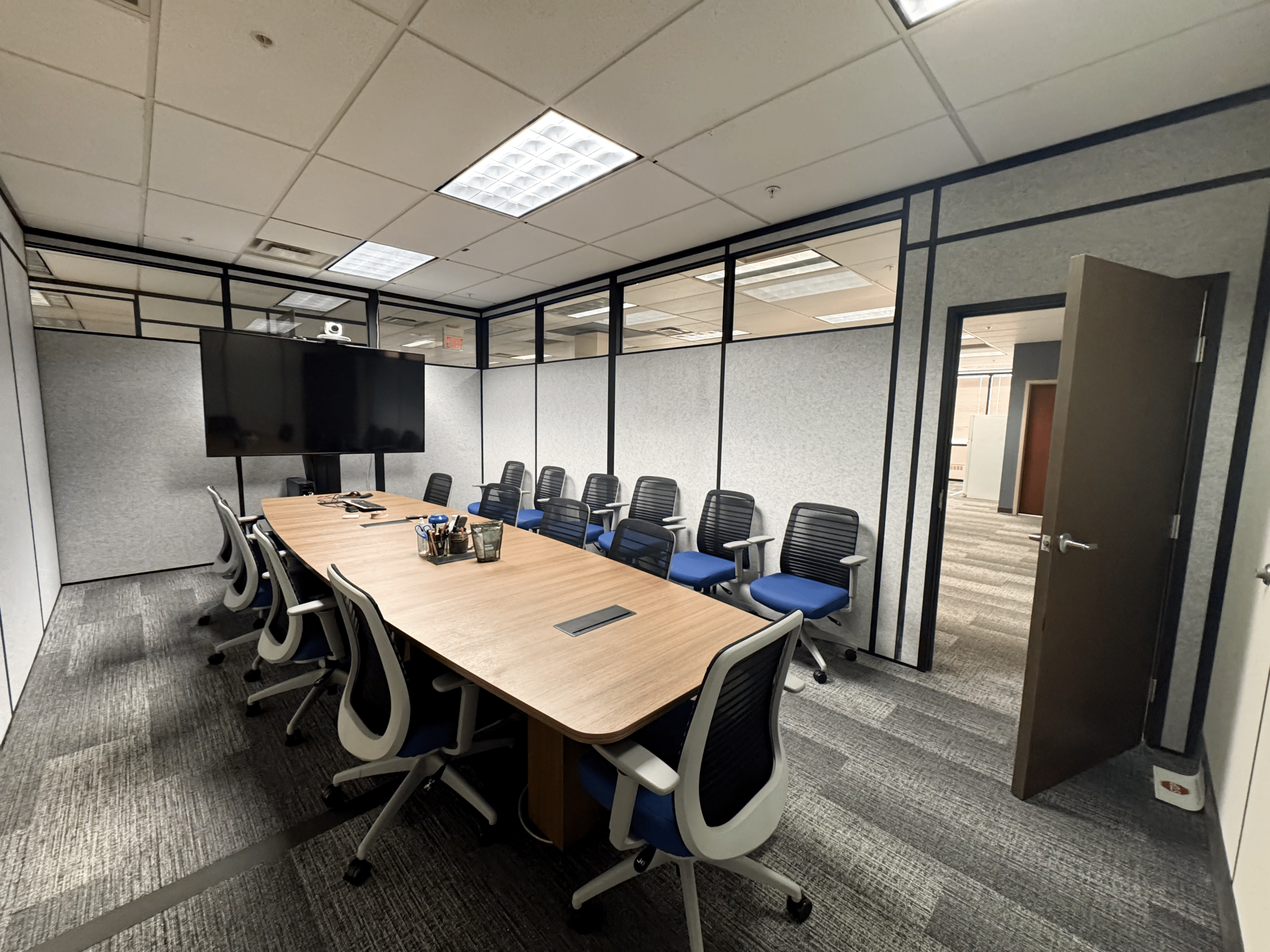

Many businesses struggle to create office space inside their plant or factory. They simply do not want to deal with the expenses and headaches that come with traditional construction. As a result, many companies are adding inplant modular offices instead. These prefabricated office spaces are a low-cost and flexible alternative that can be installed in just a few days. In this guide, we’ll cover what inplant modular offices are, how they can benefit your spaces, what factors influence their cost, and more.
What Are Inplant Modular Offices?

Inplant modular offices are prefabricated office spaces designed to fit inside industrial locations. Instead of building an office from scratch, you get pre-made panels and parts that are put together on-site. This makes the entire process much faster and easier.
Businesses use modular offices for all sorts of things, including supervisor offices, meeting rooms, break areas, and more. They’re made from materials like steel, anodized aluminum, and composite panels, and they can include doors, windows, electrical outlets, and HVAC systems so that the building can be used on delivery.
Why Choose an Inplant Modular Office?

Though we’ve covered some of the advantages of using modular offices already, here are some of the biggest benefits they provide over traditional construction.
They’re More Affordable
Modular offices usually cost far less than traditional buildings. Since the parts are made in a factory and assembled on-site, you save a lot on labor and material costs.
Fast Installation
Unlike traditional construction (which can take months), modular offices can be installed in days or weeks. This means you can get back to work without interruptions.
They Can Grow with Your Business
Further, if you predict that you’ll need more space in the future, modular offices are an obvious choice. They can be expanded, reconfigured, or even moved to another place entirely.
They Help Keep Things Organized
Installing a modular inplant office gives your administrative team a special space that keeps them close to the action while maintaining a clear separation from production areas. This can improve communication between your teams, as well as help your business stay organized.
They Meet Safety Standards
Further, modular offices are built with safety in mind. Fire-rated panels, proper ventilation, and electrical systems can all help you meet industry regulations.
They’re Eco-Friendly
Finally, since modular offices produce less waste during construction and can be reused, they’re a greener option compared to traditional buildings. Some models even use recycled materials!
How Much Do Inplant Modular Offices Cost?

One of the most important considerations when beginning a new construction project is, of course, the costs. Luckily, the cost of an inplant modular office is much cheaper than traditional offices (though they can still vary widely based on a few factors).
What Affects the Cost?
Several factors can impact the overall cost of an inplant modular office, including:
- Size and Layout: Generally speaking, the larger the office, the higher the cost. A simple single-room office will cost less than a multi-room one, mostly because there are more walls required.
- Materials Used: The choice of materials will also play a big role in pricing. Stronger materials like steel, special insulated panels, etc., can increase costs, while basic composite panels are more budget-friendly.
- Customization Options: Special features such as soundproofing, upgraded lighting, HVAC systems, and additional windows or doors can also significantly add to the total cost. The more features, the higher the price.
- Permitting and Compliance: Depending on local regulations, permits may also be needed, which can add time to the project. Making sure you’re compliant with safety and building codes is an important part of the process, and of course, can add to the final costs.
Where Are Inplant Modular Offices Used?

Modular inplant offices can be found in all sorts of industries. Some of the most common places you’ll see them include:
Warehouses
Managers often need a quiet space to handle paperwork and oversee operations without leaving the floor. They can also be used as traditional office space for administrative tasks, meetings, training rooms, and more.
Manufacturing Plants
Production facilities may also use modular offices for quality control, planning, and for meetings close to the action.
Automotive and Aerospace Facilities
These industries use modular offices for engineering teams, training sessions, and planning for operations.
Features & Customization Options for Modular Offices

One of the best things about modular offices is that they can be customized to fit your needs. Some popular options include:
- Tough Materials: Choose from strong materials such as anodized aluminum, fiberglass-reinforced plastic, and galvanized steel; panels can be designed for easy maintenance and long-lasting performance as well.
- Air Conditioning: Offices are equipped with HVAC systems to keep your employees comfortable no matter the season.
- Integrated Electrical: Comes pre-wired with lights, outlets, and switches.
- Windows: Available in many options, including full-panel, sliding, tinted, dual-pane, tempered glass, and more.
- Doors: Choose from swinging or sliding styles, available in steel, aluminum, vinyl, and other materials.
- Noise Control: If your facility is noisy, soundproof panels and insulated doors can help create a quieter workspace.
- Lighting Options: Natural light can be added to offices to boost productivity and morale. Energy-efficient LED lighting can also create well-lit, inviting spaces.
- Flooring Choices: Different flooring types are also available, such as carpet, vinyl, epoxy coatings, or anti-slip surfaces.
- Security Features: To protect valuable equipment and sensitive information, modular offices can include security features such as reinforced doors, access control systems, and safety glass windows.
- Branding and Aesthetic Touches: Customize your office with company colors, logos, and design elements that reflect your brand identity, creating a professional and integrated look.
The Bottom Line
If you’re looking for a practical, affordable, and flexible way to add office space to your facility, an inplant modular office is a great option. They’re easy to install, customizable, and can be adjusted as your business grows. Whether you need a small single-room office or a multi-story setup, modular offices offer a smart alternative to traditional construction.
Interested in adding modular offices to your plant or warehouse? Reach out to the experts at Allied Modular today to get a quote on new spaces.
FAQs About Inplant Modular Offices
1. How long do inplant modular offices last?
Inplant offices can last a long time, especially if taken care of properly. In fact, they can last just as long as (or longer than) traditional buildings, with a lifespan of 30 or more years.
2. Can modular offices be moved?
Yes, absolutely! They are a designed to be easily moved. Though you probably cannot move it yourself, we can send a small team to disassemble your building and move it to another location.
3. What’s the installation time for an inplant office?
The installation time for installing modular offices in a manufacturing facility can vary depending on the size and complexity of the building. However, the time will be much less than a traditional construction project, and is usually complete within a couple weeks if not days.